
Laetigen and Re2O are both injectable skin boosters on the Re:berry Hongdae menu, but they serve different goals. Laetigen delivers type I collagen to support firmness and thin, crepey skin, while Re2O is a skin component booster commonly chosen for hydration, glow and overall rejuvenation. The doctor recommends one, or a sequence, after diagnosis.
Re:berry Clinic Hongdae · Information reviewed for accuracy · Results vary by individual.
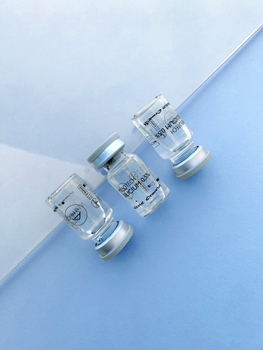
What are Laetigen and Re2O?
Skin boosters are injectables placed in small amounts in the dermis to improve skin quality rather than shape. They do not lift or add volume in the way fillers do. Re:berry offers several, including CellREDM, Rejuran Healer, Laetigen and Re2O, because different skin problems call for different ingredients.
Laetigen is a collagen booster. It introduces type I collagen, the main structural protein of the dermis, to support density and firmness.
Re2O is a skin component booster on the Re:berry menu, used for overall rejuvenation with an emphasis on hydration and radiance. The doctor will explain its composition and why it fits your skin at consultation. A short overview is in What is Re2O skin booster?
How do they compare?
Main goal
- Laetigen: support for thin, crepey or less resilient skin
- Re2O: moisture, glow and a refreshed overall look
Typical candidate
- Laetigen: late 20s to 50s with early loss of firmness and fine crepey lines
- Re2O: any adult age with dull, tired or dehydrated-looking skin
Feel of results
- Laetigen: gradual improvement in density and smoothness over weeks
- Re2O: many people report skin looking more hydrated and luminous within days to weeks
Downtime
- Both typically cause small raised bumps for 1–3 days and possible pinpoint bruising
- Exact downtime depends on injection technique and the amount used
Precautions
- Laetigen: not suitable with a known collagen allergy
- Both: postponed during pregnancy, breastfeeding or active skin infection
Which should I choose?
Instead of choosing by name, start with the main reason your skin looks the way it does. A simple way to think about it:
- "My skin looks thin and has crepey lines": Laetigen is often the starting point
- "My skin looks dull and feels dry or tight": Re2O is often considered first
- "Both": the doctor may sequence them, for example Re2O first for hydration, then Laetigen for structure
- "I have acne scars or rough texture": neither may be first choice; CellREDM or Rejuran Healer may fit better
This reflects Re:berry's philosophy of diagnosis before packages: the treatment follows the cause, not the other way around.
Can I combine Laetigen and Re2O?
Yes. Some plans alternate the two across a course, and some combine boosters with devices. Typical combinations include:
- HydraFacial before a booster session to cleanse and prepare the skin
- Thermage FLX or Sofwave for tightening, with a booster for surface quality
- Laser toning for pigmentation, with Re2O supporting hydration between sessions
The doctor sets the order and spacing so the skin can recover between treatments. A sensible sequence also avoids layering several injectable sessions too close to a flight or event.
What should I expect on the day?
- Consultation and skin assessment
- Cleansing and numbing cream for 20–40 minutes
- Injection by hand or with an injector device, usually 10–20 minutes
- Soothing care and written aftercare instructions
- A short check that you have no questions before you leave
Before the appointment, avoid alcohol for a day, tell the doctor about blood-thinning medication or supplements, and pause strong retinoids or exfoliating acids if advised. Most people go back to normal activity the same day. Plan a quiet evening and skip makeup until the next morning where possible.
How many sessions and how long do results last?
A typical course for either booster is 2–4 sessions spaced 2–4 weeks apart, followed by maintenance every 4–6 months for many patients. Results vary by individual and depend on age, sun exposure, sleep, hydration and home care. Combining boosters with daily sunscreen and a barrier-supporting routine generally helps results last longer.
What are the side effects?
- Bumps, redness and mild swelling, typically 1–3 days
- Bruising, more likely with blood-thinning medication or supplements
- Tenderness at injection points
- Rarely, infection, allergic reaction or persistent nodules
More detail is in side effects of skin boosters, and recovery tips are in aftercare after skin boosters.
How do they compare with other boosters on the menu?
Laetigen and Re2O are not the only choices, and the doctor may suggest another if it better matches your skin:
- Rejuran Healer: salmon-derived polynucleotides, often used for repair, texture and sensitive skin
- PDRN: shorter DNA fragments with a lighter feel and typically milder bumps
- CellREDM: extracellular-matrix based, often discussed for scars and skin density
- Exosome therapy: usually applied after microneedling or laser rather than injected
Comparisons of some of these are in Rejuran vs PDRN vs exosome.
Fitting a booster course around a Seoul visit
A full course usually needs several visits, which suits residents and longer stays. If you are visiting Hongdae for a week, one session is often realistic, with the option to continue at another Re:berry branch on a later trip or with a local clinic at home. Pricing depends on the product, amount and number of sessions and is confirmed in writing at consultation. Request a time on our Booking page.
Key facts
- Laetigen focus: Type I collagen; structure and firmness
- Re2O focus: Skin components; hydration and radiance
- Treatment time: About 30–40 minutes each, including numbing
- Downtime: Small bumps or redness for 1–3 days for both
- Sessions: Typically 2–4 per course, 2–4 weeks apart
- Can combine: Yes, alternated or sequenced by the doctor
Frequently asked questions
Is Laetigen or Re2O better for dehydrated skin?
For dehydration alone, Re2O is often considered first because its focus is hydration and radiance. If dehydration comes with thin, crepey skin, Laetigen may be added for structural support. The doctor decides after checking whether the barrier, the dermis or both are involved.
Can I have both boosters on the same day?
Sometimes, depending on the areas and the total amount injected. Many doctors prefer to alternate them across sessions so skin response to each can be assessed. Your plan, including timing, is explained at consultation and confirmed in writing. This also makes it easier to judge which product your skin prefers.
Which booster has less downtime?
Downtime is broadly similar: small bumps and mild redness for 1–3 days, with possible pinpoint bruising. Technique, volume and your skin's sensitivity usually make more difference than the product name. If you have an event, schedule the session several days before.
Do skin boosters replace a good skincare routine?
No. Boosters work alongside daily care. Sunscreen, gentle cleansing and a moisturizer suited to your skin remain essential, and they help maintain whatever improvement a booster course gives. Many doctors also review your home routine as part of the consultation.
Keep reading
Before you book
This page is general information, not a diagnosis. Suitability, dose, number of sessions and expected results are decided by a doctor at consultation, and results vary by individual. Possible side effects include redness, swelling and bruising. Pricing is confirmed in writing before any treatment. See our medical disclaimer.
Start with a diagnosis, not a package
Re:berry Clinic Hongdae designs your plan after a one-to-one skin assessment. Multilingual consultation support is available.