
Dehydrated skin lacks water rather than oil, so it can feel tight, look dull and show fine lines even when it is oily. At Re:berry Hongdae, treatment typically combines barrier-friendly skincare with in-clinic options such as HydraFacial and skin boosters like Re2O or Laetigen. Results vary by individual.
Re:berry Clinic Hongdae · Information reviewed for accuracy · Results vary by individual.
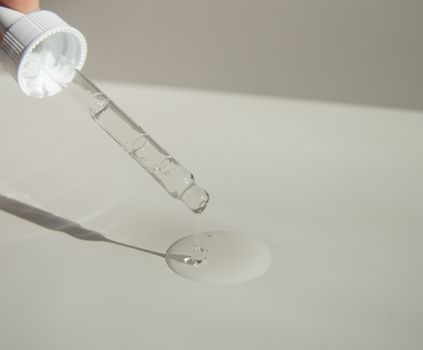
What is dehydrated skin?
Dehydrated skin is a condition in which the outer layer of the skin, the stratum corneum, holds too little water. It is different from dry skin, which is a skin type that produces too little oil. That is why oily and combination skin can be dehydrated too: the surface may be shiny while the skin underneath feels tight.
When the skin barrier is compromised, water evaporates more quickly. Doctors call this increased transepidermal water loss. The result is skin that looks less plump, reflects less light and is more easily irritated.
What are the signs of dehydrated skin?
- Tightness, especially after cleansing
- A dull, gray or tired look
- Fine, crisscross lines that appear when you gently push the skin, which are often called dehydration lines
- Makeup that looks patchy or settles into lines by midday
- Increased sensitivity, stinging with products that were previously fine
- Oiliness and breakouts at the same time, as skin overcompensates
A simple self-check
Gently pinch a small area of your cheek. If it wrinkles finely and takes a moment to flatten, your skin may be dehydrated. This is not a diagnosis, but it is a useful clue to raise at consultation.
What causes dehydrated skin?
- Climate: Seoul's cold, dry winters and indoor heating pull moisture from the skin. Summer air conditioning does the same.
- Travel: Airplane cabin humidity is often around 10 to 20 percent, which is why many visitors arrive in Seoul with tight, dull skin.
- Over-cleansing: Foaming cleansers, double cleansing with harsh products and frequent exfoliation can strip the barrier.
- Active ingredients: Retinoids, acids and acne treatments can cause temporary dehydration, especially at the start.
- Lifestyle: Alcohol, poor sleep, hot showers and low water intake may contribute.
- Recent procedures: Lasers and peels can temporarily weaken the barrier.
How is dehydration diagnosed at Re:berry?
The doctor looks at your skin's texture, oil balance and sensitivity, asks about your routine, products and environment, and may use a skin analysis device that estimates surface moisture and oil. The goal is to separate dehydration from other conditions that look similar, such as eczema, rosacea or irritation, which need different treatment. If redness is a major feature, see our page on facial redness and rosacea.
Which Re:berry treatments help dehydrated skin?
HydraFacial
A multi-step facial that cleanses, gently exfoliates and infuses hydrating serums with no downtime. It gives an immediate improvement in glow and comfort and is often the first step. See HydraFacial and the guide to HydraFacial for dehydrated skin.
Re2O rejuvenation booster
A skin booster designed to support hydration and skin quality from within the dermis. Read more on Re2O.
Laetigen collagen booster
A booster that aims to support collagen and moisture retention for skin that looks thin or crepey as well as dry. See the guide to Laetigen for dehydrated skin.
Rejuran Healer and PDRN
Polynucleotide-based boosters are often chosen when dehydration comes with sensitivity, a weakened barrier or early fine lines.
How are treatments combined?
Re:berry's approach is to build a plan around your diagnosis rather than a single procedure. A common sequence is a HydraFacial to reset the surface, followed by a course of boosters spaced about 2 to 4 weeks apart, with home care adjusted so the barrier can recover. For visitors on a short trip, a HydraFacial alone may be the most practical choice, with boosters scheduled for a later visit.
What is a realistic timeline?
- Same day: HydraFacial typically leaves skin smoother and brighter.
- 1 to 2 days: Small injection bumps from boosters usually settle.
- 2 to 6 weeks: Booster benefits such as improved bounce and comfort tend to build gradually.
- Ongoing: Maintenance depends on season, routine and environment.
Results vary by individual, and dehydration can return if triggers continue.
Home care that supports treatment
- Use a gentle, low-pH cleanser and lukewarm water.
- Layer a humectant serum, such as hyaluronic acid or glycerin, under a moisturizer with ceramides.
- Pause strong acids and retinoids while the barrier recovers, if your doctor advises it.
- Use a humidifier in winter and sunscreen every day.
Our guide to skin care for Seoul's seasons has more tips.
Can dehydration affect other treatments?
Yes. Dehydrated, irritated skin can react more strongly to lasers, peels and even some injectables, with more redness or stinging. If your barrier is compromised, the doctor may suggest a hydration-focused session first and schedule pigment or resurfacing treatments a little later. Well-hydrated skin also tends to show the results of lifting and booster treatments more clearly, which is one reason Re:berry treats hydration as a foundation rather than an add-on.
Book a hydration consultation
Pricing depends on the treatments chosen and the number of sessions, and it is confirmed in writing at consultation. Find the address on Location & Hours and request a time on our Booking page.
Key facts
- What it is: A temporary lack of water in the outer skin, not a skin type
- Common signs: Tightness, dullness, fine dehydration lines, makeup that flakes
- Common treatments: HydraFacial, Re2O, Laetigen, Rejuran Healer
- Downtime: None for HydraFacial; small bumps for a day or so after boosters
- Results seen: Immediately with facials; over 2 to 6 weeks with boosters
- Good to know: Seoul winters and flights are common triggers
Frequently asked questions
Is dehydrated skin the same as dry skin?
No. Dry skin is a skin type with low oil production, while dehydrated skin is a temporary lack of water that can affect any skin type, including oily skin. The two can overlap, which is why a doctor's assessment helps choose the right products and treatments.
Can drinking more water fix dehydrated skin?
Staying hydrated supports overall health, but drinking water alone rarely fixes dehydrated skin. The bigger factors are usually barrier damage, climate and skincare habits. Gentle cleansing, humectants, a ceramide moisturizer and treatments that support the barrier tend to make more noticeable differences.
Are skin boosters good for dehydrated skin?
Many patients with persistent dehydration benefit from boosters such as Re2O, Laetigen or polynucleotides, which work within the skin rather than on the surface. They usually require a short course of sessions and may cause small bumps for a day or so. Suitability is confirmed at consultation.
How quickly can I improve dehydrated skin before an event?
A HydraFacial a few days before an event typically gives an immediate glow with no downtime. Boosters take longer to show their full effect, so they are usually started three to six weeks ahead. Pair either approach with a simple, gentle home routine.
Keep reading
Before you book
This page is general information, not a diagnosis. Suitability, dose, number of sessions and expected results are decided by a doctor at consultation, and results vary by individual. Possible side effects include redness, swelling and bruising. Pricing is confirmed in writing before any treatment. See our medical disclaimer.
Start with a diagnosis, not a package
Re:berry Clinic Hongdae designs your plan after a one-to-one skin assessment. Multilingual consultation support is available.