
Seoul's four seasons each stress skin differently: spring brings yellow dust and fine dust, summer is hot and humid with strong UV, autumn is dry and changeable, and winter is cold, windy and very dry indoors. At Re:berry Hongdae, doctors often adjust treatments by season, such as scheduling pigment lasers outside peak summer.
Re:berry Clinic Hongdae · Information reviewed for accuracy · Results vary by individual.
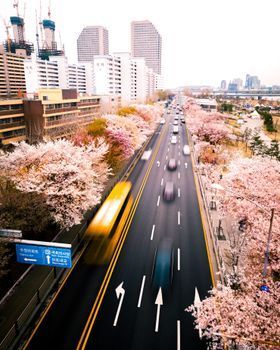
How does Seoul's climate affect skin?
Seoul has a distinct four-season climate with large temperature swings. Summers are hot and humid, with a rainy monsoon period, while winters are cold and dry, with indoor floor heating (ondol) drying the air further. Spring and sometimes late winter bring yellow dust blown from continental deserts and episodes of fine particulate pollution. Each shift asks something different of your skin barrier.
Whether you live in Mapo-gu or are visiting for a week, understanding the season helps you choose products and treatments that work with your skin rather than against it. Results vary by individual, and a doctor's consultation tailors this general advice to your skin type.
Spring: yellow dust, fine dust and sensitivity
What happens to skin
Yellow dust (hwangsa) and fine dust (misemeonji) can leave skin feeling gritty and irritated. Many people notice more redness, itching and clogged pores, especially if they already have sensitive skin or acne. Pollen adds to the irritation for some.
Daily care
- Check air-quality apps before going out and wear a KF-rated mask on high-dust days.
- Double cleanse gently in the evening to remove particles and sunscreen, without harsh scrubbing.
- Focus on barrier-supporting moisturizers with ingredients such as ceramides.
Clinic options in spring
HydraFacial for deep cleansing, LDM for calming sensitive skin, and skin boosters such as Rejuran Healer for barrier support. Acne-prone skin may benefit from a review of acne treatment options.
Summer: heat, humidity and UV
What happens to skin
Humidity and heat increase oil production and sweat, which can mean shine, enlarged-looking pores and breakouts. UV is strong from late spring through summer and can deepen pigment, including melasma. The monsoon season, typically late June to July, adds dampness and sudden heat after rain.
Daily care
- Use a lightweight, broad-spectrum sunscreen and reapply every two to three hours outdoors.
- Switch to gel textures and non-comedogenic products.
- Carry blotting papers rather than piling on powder.
Clinic options in summer
Lower-heat or lower-downtime treatments are often preferred, such as skin Botox for oil and pores, gentle toning with strict sun protection, and HydraFacial. Stronger pigment or resurfacing lasers may be postponed or planned carefully if you will be outdoors a lot, for example at Mangwon Hangang Park or summer festivals. See can I go in the sun after laser?
Autumn: dry air and a good time to start
What happens to skin
Autumn humidity drops and temperatures cool quickly. Summer sun damage often becomes visible as uneven tone and dullness, and skin can feel tight.
Daily care
- Increase moisturizer richness gradually as nights get colder.
- Keep wearing sunscreen; UV is lower but still present.
Clinic options in autumn
Many doctors consider autumn a good season to start a laser series for pigment or texture, such as laser toning or PicoSure Pro, because UV exposure is decreasing. Lifting treatments such as Ultherapy Prime or Thermage FLX are also commonly scheduled now.
Winter: cold, wind and dry heating
What happens to skin
Seoul winters can be well below freezing, with dry winds outside and warm, dry air indoors. This combination strips moisture, leading to tightness, flaking, redness and sensitivity. Lips and the skin around the nose often suffer most.
Daily care
- Use a richer moisturizer and consider a humidifier in your room.
- Avoid very hot showers and long sauna or jjimjilbang sessions, which can worsen dryness and redness.
- Protect skin from wind with a scarf or mask.
Clinic options in winter
Hydration-focused boosters such as Re2O and Laetigen, HydraFacial, and continuing laser series with careful aftercare. Winter is also a popular time for treatments with more downtime, since scarves and masks make it easier to cover healing skin. See dehydrated skin.
Planning a trip around the seasons
- Visiting in summer: choose treatments with low sun sensitivity and bring a hat, sunscreen and sunglasses.
- Visiting in spring: pack a mask for dusty days and allow for possible sensitivity.
- Visiting in autumn or winter: often a good window for lasers and lifting, with moisturizing aftercare.
Our downtime planner helps you match treatments to your schedule.
How should your routine change between seasons?
Rather than replacing everything, adjust a few steps as the weather turns. A simple framework many dermatologists suggest:
- Cleanser: gentle all year; a second cleanse on high-dust or heavy-sunscreen days.
- Hydration layer: lighter toners and essences in summer, more layers in winter.
- Moisturizer: gel or lotion in humid months, cream or balm in dry months.
- Actives: introduce retinoids or acids in cooler months when UV is lower, and pause them before laser if advised.
- Sunscreen: every morning, with reapplication when outdoors.
If you are traveling from a very different climate, give your skin a few days to adjust before trying many new K-beauty products at once. Patch-testing new items reduces the chance of a reaction during your trip.
One rule for every season
Sunscreen is the most consistent recommendation across all seasons. UV contributes to pigment, collagen loss and uneven texture, and it can undo the progress of treatments. Use it daily, including on cloudy days and in winter.
Get a seasonal plan
A consultation at Re:berry Hongdae can match treatments to your skin type and the time of year. Pricing depends on the treatments chosen and is confirmed in writing at consultation. Book via our Booking page.
Key facts
- Spring (Mar–May): Yellow dust and fine dust; sensitivity and breakouts
- Summer (Jun–Aug): Heat, humidity and monsoon; oiliness and strong UV
- Autumn (Sep–Nov): Drier air; good time to start laser series
- Winter (Dec–Feb): Cold, wind and dry heating; dehydration and redness
- All year: Daily broad-spectrum sunscreen
Frequently asked questions
When is the best season for laser treatment in Seoul?
Many doctors prefer autumn and winter for pigment and resurfacing lasers because UV exposure is lower and outdoor sun is easier to avoid. Lasers can still be done in spring and summer with careful settings and strict sun protection. Your skin type and schedule matter as much as the season.
What is yellow dust and how does it affect skin?
Yellow dust is fine sand and particles carried by wind from deserts in continental Asia, most often in spring. Along with urban fine dust, it can irritate skin, trigger redness and clog pores. Masks, gentle cleansing and barrier-supporting skincare help limit its effects.
Why does my skin get so dry in Seoul winters?
Cold outdoor air holds little moisture, and indoor floor heating dries the air further. Moving between the two strips water from the skin, weakening the barrier. A richer moisturizer, a humidifier and avoiding very hot water typically help, along with hydrating boosters if needed.
Keep reading
Before you book
This page is general information, not a diagnosis. Suitability, dose, number of sessions and expected results are decided by a doctor at consultation, and results vary by individual. Possible side effects include redness, swelling and bruising. Pricing is confirmed in writing before any treatment. See our medical disclaimer.
Start with a diagnosis, not a package
Re:berry Clinic Hongdae designs your plan after a one-to-one skin assessment. Multilingual consultation support is available.