
Laser toning at Re:berry Hongdae is a low-fluence Q-switched Nd:YAG laser treatment that gradually breaks down excess pigment in small, gentle steps. It is commonly used for melasma, dullness and uneven tone. Sessions typically take 10–20 minutes with minimal downtime, and a course of 5–10 sessions is usual. Results vary by individual.
Re:berry Clinic Hongdae · Information reviewed for accuracy · Results vary by individual.
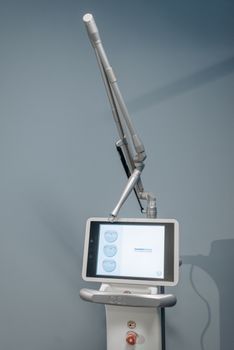
What is laser toning?
Laser toning is a technique, not a single machine. It uses a Q-switched Nd:YAG laser at 1064 nm, delivered at low energy over a wide spot size. Instead of destroying pigment in one aggressive session, it breaks melanin into smaller fragments little by little, which the body then clears.
This gentle approach is why laser toning became a standard treatment for melasma in Korea and across Asia. Melasma tends to worsen with heat and inflammation, so treatments that keep skin calm are generally preferred.
What can laser toning help with?
- Melasma: the most common reason people choose laser toning
- Dull or uneven skin tone: a brighter, more even look over time
- Post-inflammatory hyperpigmentation: brown marks after acne or irritation
- Enlarged-looking pores and texture: some patients notice mild refinement
Laser toning is less effective for well-defined freckles and sun spots, where other lasers such as pico or spot treatments are often used. A correct diagnosis matters, because melasma, freckles and other pigment types can look similar. See how to tell melasma from freckles.
How does a laser toning session work?
- Skin assessment: the doctor checks pigment depth and type, often under magnified or filtered light.
- Cleansing: makeup and sunscreen are removed completely.
- Eye protection: you wear protective goggles or shields.
- Laser passes: the laser is passed evenly over the face in several passes. Most people feel light snapping or warmth.
- Calming care: a soothing mask or cooling may follow, then sunscreen.
Numbing cream is usually unnecessary. The full visit, including consultation and calming steps, often takes around 30–60 minutes.
Who is laser toning suitable for?
Laser toning is often chosen by people who want gradual brightening without peeling or visible recovery. Because the energy is low and the spot size is wide, it is generally considered suitable for many Asian skin types and for medium skin tones when settings are adjusted carefully.
- Adults with melasma who have not responded fully to topical care alone
- People with dull or uneven tone who prefer no visible downtime
- Patients with mild post-acne brown marks once active acne is controlled
It may be postponed if you have a fresh tan, active eczema or infection in the area, are pregnant, or take medication that increases light sensitivity. People with a history of pigment problems after previous lasers should mention this, because the doctor may lower the energy or extend the interval between sessions.
How many sessions are needed?
Most plans involve 5–10 sessions spaced 1–2 weeks apart, followed by maintenance if needed. Hormones, sun exposure, heat and stress all influence melasma, so progress is reviewed at each visit and the plan may be adjusted rather than repeated mechanically. Melasma is chronic, so the aim is control rather than a one-time cure. For a detailed view, read how many laser toning sessions melasma usually needs.
Combining laser toning with other care
Re:berry focuses on designing combinations rather than a single procedure. Depending on your skin, a doctor may pair toning with:
- Pico toning for stubborn or mixed pigment
- Skin boosters to support barrier health and hydration
- Genesis laser for redness that coexists with pigment
- Home care such as strict sunscreen and doctor-recommended topicals
Is laser toning safe? Side effects to know
Laser toning is generally well tolerated when settings are chosen carefully. Typical effects include mild redness, a warm feeling and occasional small bumps that settle within hours.
Less common risks include:
- Rebound pigmentation: melasma darkening, especially with sun exposure or overtreatment
- Mottled hypopigmentation: small pale spots, linked to frequent high-energy sessions over long periods
- Acne flare or sensitivity: usually temporary
These risks are why sessions are spaced and reviewed by a doctor rather than repeated without assessment. Tell the clinic if you are pregnant, use photosensitizing medication or have a recent tan.
Laser toning vs pico toning: which is better?
Neither is universally better. Laser toning uses nanosecond pulses and has a long track record for melasma. Pico toning, such as with PicoSure Pro, uses much shorter picosecond pulses that rely more on a mechanical effect and less on heat. Some patients respond better to one, and many plans use both. See our pico toning vs laser toning comparison.
Aftercare after laser toning
- Use a broad-spectrum sunscreen every day and reapply when outdoors.
- Keep skin moisturized and avoid harsh scrubs or peels for a few days.
- Pause retinoids and strong acids if your doctor advises.
- Avoid saunas and very hot showers on the day of treatment.
More detail is on our laser aftercare page.
Is laser toning good for visitors to Seoul?
Because downtime is minimal, laser toning fits short trips well. However, one session alone rarely shows a large change in melasma. Visitors staying in Seoul for one to two weeks may fit two sessions, and the Re:berry network uses the same consultation and treatment standards across branches for those who return. Book through our Booking page. Pricing depends on the plan and number of sessions and is confirmed in writing at consultation.
Key facts
- Laser type: Q-switched Nd:YAG, 1064 nm, low fluence
- Treatment time: Typically 10–20 minutes
- Downtime: Usually none; mild redness for minutes to a few hours
- Sessions: Often 5–10, every 1–2 weeks
- Results seen: Gradually over several sessions
- Best for: Melasma, dull tone, mild post-acne marks
Frequently asked questions
Does laser toning hurt?
Most people describe laser toning as light snapping or warmth on the skin. It is usually comfortable enough without numbing cream. Areas near the nose or upper lip can feel slightly more sensitive. If you are anxious about discomfort, mention it at consultation so the team can adjust the session.
Can I wear makeup after laser toning?
Many patients can apply sunscreen and light makeup soon after laser toning, often the same day, because the skin surface is not broken. If you notice small bumps or sensitivity, wait until the next day. Use clean brushes and gentle products, and follow any specific instructions from your doctor.
Can laser toning make melasma worse?
It can in some cases, particularly with high energy, overly frequent sessions or sun exposure afterward. That is why doctors adjust settings and spacing based on how your skin responds. Daily sunscreen and avoiding heat are important. If you notice darkening, tell the clinic so the plan can be reviewed.
How soon will I see results?
Some people notice brighter skin after the first one or two sessions, but meaningful change in melasma usually needs several sessions. Results vary by individual and depend on pigment depth, hormones, sun exposure and consistent home care. Maintenance sessions may be suggested once the pigment improves.
Keep reading
Before you book
This page is general information, not a diagnosis. Suitability, dose, number of sessions and expected results are decided by a doctor at consultation, and results vary by individual. Possible side effects include redness, swelling and bruising. Pricing is confirmed in writing before any treatment. See our medical disclaimer.
Start with a diagnosis, not a package
Re:berry Clinic Hongdae designs your plan after a one-to-one skin assessment. Multilingual consultation support is available.