
LDM water drop lifting is a non-invasive ultrasound treatment that uses local dynamic micro-massage to calm, hydrate and refresh the skin. At Re:berry Hongdae it is typically used on its own for sensitive or tired skin, or after lasers to soothe redness. Sessions take about 15–30 minutes with no downtime. Results vary by individual.
Re:berry Clinic Hongdae · Information reviewed for accuracy · Results vary by individual.
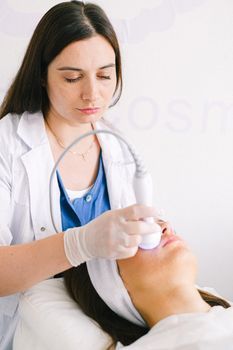
What is LDM?
LDM stands for Local Dynamic Micro-massage. It is an ultrasound technology that rapidly alternates between different frequencies, creating very fine pressure changes within the skin. In Korea it is often called water drop lifting because the effect is described as gently stirring the skin's water content to support hydration and a plumper, fresher look.
LDM is not a high-intensity lifting device like Ultherapy Prime or Thermage FLX. It works at much lower energy and does not aim to create heat points in deep tissue. Instead it is used as a gentle skin-conditioning treatment, which makes it useful for people who want visible freshness without discomfort or downtime.
How is LDM different from a regular facial massage?
A manual facial massage works on the surface and relies on the therapist's hands. LDM uses a medical ultrasound device whose frequency changes are applied evenly and repeatably, and it is performed in a clinic setting after a doctor's assessment. Because the settings can be adjusted, the same device can be used gently on reactive skin or more actively for hydration-focused care. That consistency is one reason LDM is often used as a planned part of a treatment course rather than a one-off pampering session.
What is LDM used for?
At Re:berry Hongdae, the doctor may suggest LDM for:
- Sensitive skin that reacts easily to products, weather or friction
- Facial redness and flushing, including rosacea-prone skin, as part of a wider plan
- Dehydrated skin that feels tight and looks dull
- Calming the skin after laser toning, pico treatments or other procedures
- A pre-event refresh when you cannot risk visible redness
Our guide on LDM for facial redness and rosacea explains how it fits into a redness plan with other options such as Genesis laser.
How does an LDM session feel?
LDM is usually one of the most comfortable treatments on the menu. A gel is applied and a smooth handpiece is glided over the skin. Most people feel gentle warmth or a light vibrating sensation, and many find it relaxing. No numbing cream is needed. A session for the face typically takes 15 to 30 minutes, depending on whether the neck or other areas are included.
What results can I expect?
Many patients notice that their skin looks calmer, more hydrated and slightly more radiant right after a session. These early effects can be helpful before a dinner, a photo shoot or a meeting. With regular sessions over several weeks, some people find their skin feels less reactive and holds moisture better. LDM is not designed to lift sagging skin or erase wrinkles, and it works best as supportive care. Results vary by individual.
How many sessions are recommended?
LDM is gentle enough to be repeated often. A common approach is a short course of weekly sessions for four to six weeks, followed by maintenance as needed. When used after a laser, it may be done on the same day or within a few days of the main treatment. Your doctor will set a frequency that matches your skin condition rather than a fixed package.
Combining LDM with other treatments
Re:berry's approach is to design a combination of treatments that each play a clear role. LDM is often the calming step in a plan, for example:
- After laser toning to reduce the warm, flushed feeling
- Alongside a skin booster such as Rejuran Healer to support recovery and hydration
- With HydraFacial for a cleansing and hydration session with no downtime
- Between lifting treatments to maintain skin comfort and glow
Is LDM safe? Side effects and precautions
LDM is generally considered low risk. Some people have mild, short-lived pinkness after a session. Even so, a medical consultation comes first, and the doctor will ask about:
- Pregnancy or breastfeeding
- Pacemakers or other implanted electronic devices
- Active infections, open wounds or cold sores in the treatment area
- Recent fillers, threads or surgery in the area
- Any history of tumors or serious skin conditions
If any of these apply, LDM may be postponed, adjusted or replaced with a different option. LDM also does not replace prescribed treatment for conditions such as rosacea or eczema; it is used alongside medical skincare when appropriate.
Why LDM suits travelers in Hongdae
Because LDM usually leaves no visible signs, it is easy to fit into a busy Seoul itinerary. You can have a session in the morning and still enjoy the cafes of Yeonnam-dong or a walk to Mangwon Hangang Park in the afternoon. It also pairs well with long flights, which often leave skin dehydrated. If you are planning several procedures, our zero-downtime treatments guide can help you choose.
Pricing and how to book
Pricing depends on the area, the number of sessions and whether LDM is part of a combined plan. Your plan and cost are confirmed in writing at consultation. See Location & Hours for the address and opening hours, and book via the channels on our Booking page.
Key facts
- Treatment type: Dual-frequency ultrasound (Local Dynamic Micro-massage)
- Treatment time: Typically 15–30 minutes
- Downtime: None for most people
- Sessions: Often weekly for a short course, then as needed
- Results seen: Fresher, calmer look often right after
- Best for: Sensitivity, redness, dehydration, post-laser calming
Frequently asked questions
Is LDM a real lifting treatment?
Despite the name water drop lifting, LDM is primarily a skin-conditioning treatment. It may give the skin a firmer, plumper look through better hydration, but it does not tighten deeper tissues the way micro-focused ultrasound or radiofrequency devices do. For sagging, the doctor may suggest Ultherapy Prime, Thermage FLX or Sofwave instead.
Can I wear makeup right after LDM?
In most cases, yes. LDM does not break the skin, so makeup can usually be applied once the gel has been cleaned off and the skin feels comfortable. If LDM was done right after a laser or injection, follow the aftercare for that treatment instead, which may require waiting longer.
Is LDM safe for sensitive skin?
LDM is often chosen specifically for sensitive and redness-prone skin because it uses low energy and does not involve heat damage or needles. As with any treatment, the doctor checks your skin first and may adjust settings. If your skin is actively inflamed, other steps may come first.
How often can I have LDM?
LDM is gentle, so it can be repeated more often than most devices. Weekly sessions for a few weeks are a common starting point, followed by maintenance every few weeks or before events. The doctor will tailor frequency to how your skin responds rather than a fixed rule.
Keep reading
Before you book
This page is general information, not a diagnosis. Suitability, dose, number of sessions and expected results are decided by a doctor at consultation, and results vary by individual. Possible side effects include redness, swelling and bruising. Pricing is confirmed in writing before any treatment. See our medical disclaimer.
Start with a diagnosis, not a package
Re:berry Clinic Hongdae designs your plan after a one-to-one skin assessment. Multilingual consultation support is available.