
After skin treatments at Re:berry Hongdae, daily broad-spectrum sunscreen of SPF 30 or higher, reapplied every two to three hours outdoors, helps protect healing skin and lowers the risk of pigmentation. Sun care matters most for two to four weeks after lasers and resurfacing, and it supports longer-lasting results from any treatment. Results vary by individual.
Re:berry Clinic Hongdae · Information reviewed for accuracy · Results vary by individual.
Why is sun protection so important after treatment?
Many skin treatments temporarily make the skin more sensitive. Lasers, peels and microneedling disrupt the surface or heat the skin, and the healing process involves inflammation. Ultraviolet exposure during this period can trigger post-inflammatory hyperpigmentation, which is darkening of the skin that can take weeks or months to fade.
This risk is particularly relevant for people with medium to darker skin tones and for anyone with a tendency to melasma. Even treatments with little visible downtime, such as Genesis or laser toning, benefit from careful sun protection.
Sun protection also helps protect your investment over the long term. UV exposure is one of the main drivers of collagen breakdown, so daily sunscreen supports results from lifting and booster treatments too.
How long should I be extra careful?
- Laser toning, Genesis and similar gentle lasers: be especially careful for about one to two weeks, then continue daily sunscreen.
- Pico lasers for pigment, or resurfacing: typically two to four weeks of strict protection.
- Microneedling, exosome or booster treatments: a few days to two weeks, depending on redness.
- Ultherapy, Thermage FLX and Sofwave: the surface is not wounded, but daily sunscreen is still recommended.
- Botox and fillers: sunscreen as usual; avoid intense heat for a day or two to limit swelling.
Your aftercare sheet from Re:berry Hongdae will give timelines specific to your treatment. For more detail on lasers, see can I go in the sun after laser?
Which sunscreen should I use?
SPF and broad spectrum
Choose a broad-spectrum sunscreen that protects against both UVB and UVA. In Korea, look for SPF 50+ and PA++++ ratings, which indicate strong UVB and UVA protection. SPF 30 is a reasonable minimum for daily city use.
Mineral or chemical filters?
- Mineral (zinc oxide, titanium dioxide): often better tolerated on freshly treated or sensitive skin.
- Chemical filters: lighter textures that many people prefer, but some may sting on irritated skin.
- Hybrid formulas: a balance of texture and tolerance.
What to avoid right after treatment
- heavily fragranced products;
- sunscreens combined with exfoliating acids or retinoids;
- alcohol-heavy sprays on broken or very sensitive skin.
How do I apply and reapply properly?
- Apply about a half teaspoon for the face and neck as the last step of your skincare.
- Wait a few minutes before makeup, if makeup is allowed.
- Reapply every two to three hours when outdoors, and after sweating or wiping your face.
- Over makeup, use a sunscreen stick, cushion or powder with SPF, though these work better as top-ups rather than your main layer.
If you were told to avoid touching your face for a period, use clean hands or a fresh applicator.
Sun protection beyond sunscreen
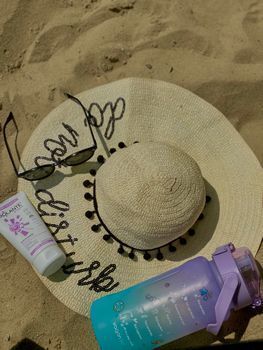
- Wear a wide-brimmed hat or cap, and sunglasses.
- Walk on the shaded side of the street and take breaks indoors.
- Plan outdoor sightseeing for early morning or late afternoon.
- Consider a breathable mask on very sunny days, which many people in Seoul already wear.
- Remember that UV passes through clouds and car or bus windows.
Tips for Seoul and Hongdae
Seoul summers bring strong sun and humidity, and UV levels can be high from late spring to early autumn. Popular post-treatment spots such as Mangwon Hangang Park and the riverside have little shade, so they are better saved for the evening if you have just had a laser. The Gyeongui Line Forest Park offers some tree cover for a gentle walk.
Winter sun is weaker, but snow and dry air can still irritate healing skin, so keep using sunscreen and a good moisturizer. Korean pharmacies and cosmetics stores around Hongdae stock many sensitive-skin sunscreens if you need to buy one locally. Our Seoul seasons skin care guide has more ideas.
Does sunscreen interfere with healing?
A well-chosen sunscreen does not slow healing; it helps protect skin while it recovers. Problems usually come from products with fragrance, alcohol or active exfoliants that can sting. If your skin feels raw, choose a simple mineral formula and apply it gently with a patting motion. Cleanse it off at night with a mild cleanser and lukewarm water.
What if I get sunburned after treatment?
Move out of the sun, cool the skin gently with lukewarm water or a cool compress, and apply a plain, soothing moisturizer. Avoid picking any peeling skin. Contact the clinic, especially if you notice blistering, unusual darkening or pain, as the doctor may recommend additional care or adjust the timing of your next session.
Sun protection for different skin types
- Oily or acne-prone skin: choose lightweight, non-comedogenic gels or fluids, which are widely available in Korea.
- Dry or dehydrated skin: cream-based sunscreens with ceramides or glycerin add comfort.
- Melasma-prone skin: tinted mineral sunscreens with iron oxides may also help protect against visible light.
- Men: many prefer sticks or quick-absorbing fluids that leave no white cast.
Planning ahead
If you are planning a beach holiday or outdoor trip, tell the doctor at consultation. It may be better to schedule pigment lasers after the trip rather than before. Our laser aftercare guide covers related tips. For branch details, see Location & Hours, and book through the Booking page.
Key facts
- Minimum SPF: Broad-spectrum SPF 30+, often SPF 50 in summer
- Reapply: Every 2–3 hours outdoors, and after sweating
- Most critical period: About 2–4 weeks after laser or resurfacing
- Suitable formulas: Gentle, fragrance-free; mineral filters often tolerated well
- Extra protection: Hat, sunglasses, shade, mask on very sunny days
- Why it matters: Reduces risk of post-treatment pigmentation
Frequently asked questions
Can I wear sunscreen right after a laser treatment?
In most cases, yes. A gentle, fragrance-free sunscreen is usually recommended from the same day after lasers such as toning or Genesis. After more intensive treatments, the clinic may apply a soothing product first and tell you when to start sunscreen. Follow the specific instructions on your Re:berry Hongdae aftercare sheet.
Is SPF in makeup enough after treatment?
Usually not on its own. Most people apply far less foundation or cushion than the amount needed to reach the labeled SPF. Use a dedicated sunscreen as your base layer, then use SPF makeup or powders as top-ups during the day. This approach is especially important during the first weeks after laser treatment.
Do I need sunscreen indoors after treatment?
If you sit near windows or spend time in bright cafes, applying sunscreen is still sensible, because UVA can pass through glass. If you are staying fully indoors away from windows, a morning application is often enough. When you head out to explore Hongdae, reapply before leaving and every few hours.
How long should I avoid tanning after laser?
Most doctors advise avoiding tanning and prolonged sun exposure for at least two to four weeks after pigment or resurfacing lasers, and ideally longer if you are prone to pigmentation. Tanned skin can also affect future laser settings. Your doctor will give a timeline that fits your treatment and skin type.
Keep reading
Before you book
This page is general information, not a diagnosis. Suitability, dose, number of sessions and expected results are decided by a doctor at consultation, and results vary by individual. Possible side effects include redness, swelling and bruising. Pricing is confirmed in writing before any treatment. See our medical disclaimer.
Start with a diagnosis, not a package
Re:berry Clinic Hongdae designs your plan after a one-to-one skin assessment. Multilingual consultation support is available.