
PicoSure Pro is a picosecond laser that breaks pigment into very fine particles using ultra-short pulses, with less heat than older nanosecond lasers. At Re:berry Hongdae it may be used as gentle pico toning for uneven tone or as targeted spot treatment for freckles and sun spots, with sessions and downtime depending on the method.
Re:berry Clinic Hongdae · Information reviewed for accuracy · Results vary by individual.
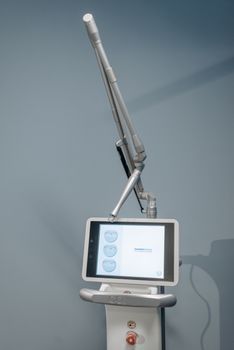
What is PicoSure Pro?
PicoSure Pro is a picosecond laser platform from Cynosure. A picosecond is one trillionth of a second, and delivering laser energy in pulses that short creates a pressure wave, often called a photomechanical or photoacoustic effect, that shatters pigment into tiny fragments. The body then clears those fragments naturally over the following weeks.
Because the energy is delivered so quickly, less heat spreads into the surrounding skin than with traditional nanosecond Q-switched lasers. For many patients this can mean less irritation and a lower chance of heat-related complications, although no laser is risk-free. PicoSure's 755 nm wavelength is FDA-cleared for benign pigmented lesions and tattoo removal. The Re:berry Gangnam branch lists PicoSure Pro on its menu, and the Hongdae team follows the same treatment standards.
What is pico toning?
Pico toning is a way of using a picosecond laser at low energy over the whole face. Rather than targeting one spot aggressively, the laser makes even passes to gradually lighten diffuse pigment and brighten overall tone. It is popular in Korea because it can often be done with little visible downtime.
The alternative method is spot treatment, where higher energy is applied to individual freckles or sun spots. Spot treatment usually clears a lesion in fewer sessions but leaves small dark crusts for about a week. Your doctor may use one method or both, depending on your diagnosis.
What can PicoSure Pro treat?
- Freckles (ephelides): Small, light brown spots that often darken in summer.
- Sun spots (solar lentigines): Flat brown spots from cumulative UV exposure, common on cheeks and hands.
- Uneven or dull tone: Patchy, diffuse pigment that makes skin look tired.
- Some post-inflammatory marks: Brown marks left after acne or irritation, assessed case by case.
- Texture and fine lines: With a special focusing lens, picosecond lasers may also help mild texture and pore appearance.
Melasma behaves differently from freckles and can worsen with aggressive treatment, so it needs a cautious, individual plan. If you are unsure which pigment you have, read how do I tell melasma from freckles? and our page on freckles and sun spots.
Pico toning vs laser toning: what is the difference?
Both are low-energy, whole-face pigment treatments. The main difference is pulse duration. Pico toning uses picosecond pulses, while conventional laser toning uses nanosecond Q-switched pulses. Picosecond pulses rely more on mechanical fragmentation and less on heat. In practice, the choice depends on your pigment type, skin sensitivity and how your skin has responded before. See pico toning vs laser toning for a full comparison.
What happens during treatment?
- Diagnosis: The doctor examines your pigment, often under magnification or with a skin imaging device, to identify its type and depth.
- Preparation: Makeup is removed. Numbing cream may be applied for spot treatment, while toning is often done without it.
- Laser: You wear eye protection. Each pulse feels like a quick snap or warm prickle. Toning feels milder than spot treatment.
- Aftercare: A calming product and sunscreen are applied. Patches may be used over treated spots.
Downtime, side effects and safety
After toning, mild redness typically fades within a few hours. After spot treatment, treated spots usually darken and form fine crusts that flake off in roughly 5 to 10 days. Do not pick them.
Possible side effects include redness, swelling, temporary darkening of pigment (post-inflammatory hyperpigmentation), and, less commonly, lightening of pigment. Over-frequent high-energy toning has been linked to blotchy hypopigmentation, which is why sessions are spaced and settings are adjusted to your response. People with darker skin tones can often be treated, but settings need extra care; see is laser treatment safe for darker skin?
Laser is usually postponed if you have a fresh tan, active infection, or are taking photosensitizing medication, and it is generally avoided during pregnancy.
How should I prepare for pico laser?
Good preparation lowers the risk of irritation. For about two weeks before treatment, avoid deliberate tanning and use sunscreen daily. Stop retinoids and strong exfoliating acids a few days beforehand, as advised by your doctor. Tell the clinic about any history of cold sores, recent peels or waxing, and all medications, including supplements that may increase sensitivity to light.
How many sessions will I need?
For pico toning, many plans involve about 5 to 10 sessions spaced 2 to 4 weeks apart, followed by occasional maintenance. For individual freckles or sun spots, 1 to 3 sessions spaced about 4 to 8 weeks apart is common. Results vary by individual, and new spots can appear with continued sun exposure, so daily sunscreen is part of any pigment plan.
Booking PicoSure Pro at Re:berry Hongdae
Pricing depends on the method, the area and the number of sessions in your plan, and it is confirmed in writing at your consultation. Multilingual consultation support is available; confirm languages when booking. Find the address and hours on Location & Hours and request an appointment via our Booking page.
Key facts
- Treatment time: About 10 to 30 minutes of laser time
- Downtime: Toning: mild redness for hours; spot treatment: small crusts for about 5 to 10 days
- Sessions: Toning: often 5 to 10 at 2 to 4 week intervals; spots: often 1 to 3
- Results seen: Gradually, as treated pigment fades over weeks
- Best for: Freckles, sun spots, uneven tone, some types of post-acne marks
- Key risk: Temporary darkening or lightening of pigment if not tailored
Frequently asked questions
Is pico toning painful?
Pico toning usually feels like light snapping or warm pinpricks and is often done without numbing cream. Spot treatment is more intense, so numbing cream may be applied first. Sensitivity varies by person and area, and the practitioner can pause or adjust if you are uncomfortable.
Can I go out in the sun after PicoSure Pro?
You can go outside, but protect your skin carefully. Use broad-spectrum SPF 50 every morning, reapply during the day, and wear a hat for long walks. Fresh UV exposure after laser can trigger new pigment and undo progress, especially in the first two weeks.
Will freckles come back after laser?
Treated freckles often fade significantly, but new freckles can develop with ongoing sun exposure because the tendency is partly genetic. Daily sunscreen and occasional maintenance help keep results. Results vary by individual, and your doctor can suggest a realistic plan.
Can PicoSure Pro treat melasma?
Melasma is sensitive to heat and inflammation, so it needs a cautious approach. Some doctors use low-energy picosecond toning as one part of a broader melasma plan, alongside sun protection and topical care. Whether it suits you is decided at consultation after a careful diagnosis.
Keep reading
Before you book
This page is general information, not a diagnosis. Suitability, dose, number of sessions and expected results are decided by a doctor at consultation, and results vary by individual. Possible side effects include redness, swelling and bruising. Pricing is confirmed in writing before any treatment. See our medical disclaimer.
Start with a diagnosis, not a package
Re:berry Clinic Hongdae designs your plan after a one-to-one skin assessment. Multilingual consultation support is available.