
PicoSure Pro is a 755 nm picosecond laser that breaks pigment into tiny particles using very short pulses, making it a common option for freckles and sun spots. At Re:berry Hongdae, a doctor first confirms the pigment type. Spot treatment may lighten many lesions in one to three sessions, while gentler pico toning is usually done as a series.
Re:berry Clinic Hongdae · Information reviewed for accuracy · Results vary by individual.
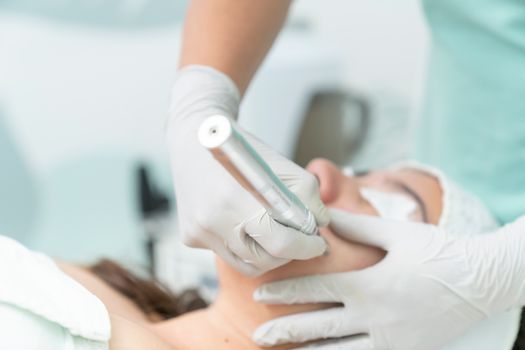
Freckles and sun spots: what is the difference?
Freckles (ephelides) are small, light brown spots that often appear in childhood, darken in summer and fade in winter. Sun spots, also called solar lentigines or age spots, are flat brown patches that develop after years of UV exposure and do not fade seasonally. Both sit relatively close to the skin surface, which is why they often respond well to pigment lasers.
Melasma looks similar but behaves differently and can worsen with aggressive treatment. That is why diagnosis matters. Our page How do I tell melasma from freckles? explains the main clues.
How does PicoSure Pro work on pigment?
PicoSure Pro delivers energy in picoseconds, which are trillionths of a second. These ultra-short pulses create a pressure effect that shatters pigment into fine particles, which the body then clears. Because less heat builds up than with older nanosecond lasers, there may be less risk of heat-related irritation, which can be helpful for Asian skin types prone to post-inflammatory darkening.
The PicoSure Pro treatment page explains the device in more depth.
Spot treatment or pico toning?
Spot treatment
Each visible spot is targeted at higher energy. The spots typically darken, form fine crusts and flake off within about a week, leaving lighter skin. This suits distinct, well-defined sun spots and freckles.
Pico toning
Lower energy is passed evenly across the face to gradually lighten scattered pigment and brighten overall tone, with little visible downtime. This suits widespread freckling, mixed pigment or people who cannot have crusts on their face during a trip.
A doctor may combine both: spot treatment for the clearest lesions and toning for the background tone.
Who is it suited for?
- People with freckles or sun spots on the face, hands or chest
- Those wanting a more even tone without long downtime
- Patients whose pigment has been confirmed as superficial by a doctor
Treatment is usually postponed if you have a recent tan, active skin infection, or are taking isotretinoin, and is generally avoided during pregnancy. Any spot that is changing, irregular or bleeding should be checked before laser treatment.
What to expect on the day
- The doctor examines your pigment, sometimes using magnification.
- The skin is cleansed, and numbing cream may be applied for spot work.
- Protective eyewear is worn while the laser is applied.
- A soothing product and sunscreen are applied afterward.
Most people describe a snapping sensation, like a rubber band. Toning tends to feel milder than spot treatment.
Recovery and aftercare
After spot treatment, keep crusts intact and let them flake naturally, usually within five to ten days. Skip scrubs and strong acids, use gentle moisturizer and apply sunscreen every day. After toning, mild redness typically settles within hours. More detail is in our laser aftercare guide.
Temporary darkening of treated skin can occur, particularly if the area gets sun exposure. This often fades but can take weeks to months.
How many sessions will I need?
Many sun spots lighten noticeably after one to three spot sessions. Freckles can respond quickly but often return with sun exposure. Toning programs commonly involve five to ten sessions, two to four weeks apart. Results vary by individual, and new spots can form over time without good sun protection.
Combinations and alternatives
- Laser toning: An alternative toning approach; see pico toning vs laser toning.
- Skin boosters: Can support skin barrier and quality between laser sessions.
- Brightening IV drips: Sometimes chosen alongside, though evidence is more limited.
- Topical care: Doctor-recommended brightening products and sunscreen help maintain results.
How does a doctor decide on settings?
Settings depend on skin tone, how dark and how deep the pigment sits, and how your skin has reacted to previous treatments. Lighter, well-defined sun spots may tolerate stronger spot settings, while freckles on deeper or sensitive skin may call for lower energy and more sessions. A conservative first visit lets the doctor see how your skin responds before increasing intensity. If you have a history of post-inflammatory darkening after acne or previous laser, mention it, as the plan may be adjusted to reduce that risk.
Daily sun habits that protect results
- Apply broad-spectrum SPF 30 to 50 every morning, including on cloudy days.
- Reapply every two to three hours when outdoors, especially in Seoul's bright spring and summer months.
- Wear a wide-brimmed hat or use a parasol for long walks.
- Avoid tanning and deliberate sunbathing for several weeks after treatment.
Planning in Hongdae
If you are visiting Seoul, plan spot treatment early so crusts can shed before flights or photos, or choose toning if your schedule is tight. Pricing depends on the number of spots, area and plan, and is confirmed in writing at consultation.
Key facts
- Laser type: 755 nm picosecond (alexandrite) laser
- Treatment time: Typically 10 to 30 minutes
- Sessions: Spots often 1 to 3; toning commonly 5 to 10, spaced 2 to 4 weeks
- Downtime: Spot treatment may leave small crusts for about 5 to 10 days
- Best for: Freckles, solar lentigines (sun spots) and uneven tone
- Key aftercare: Strict daily sunscreen
Frequently asked questions
Will freckles come back after PicoSure Pro?
Freckles have a genetic component and darken with UV exposure, so new or returning freckles are common, especially after summer. Daily sunscreen, hats and limiting midday sun help keep results longer. Some people choose an occasional maintenance session. Sun spots tend to be more stable once cleared, but new ones can still form.
Can I wear makeup after spot treatment?
Makeup is usually best avoided on treated spots until crusts have fallen off, often within about a week, to reduce irritation and infection risk. Untreated areas can usually be covered sooner. After gentle toning, many people can apply makeup the next day. Follow the specific instructions given at your visit.
Is PicoSure Pro safe for darker or Asian skin?
Picosecond lasers are widely used on Asian skin, and the short pulse may reduce heat-related irritation compared with older lasers. However, any laser can cause temporary darkening or lightening, especially in deeper skin tones. Conservative settings, test areas when appropriate and strict sun protection help reduce that risk.
Keep reading
Before you book
This page is general information, not a diagnosis. Suitability, dose, number of sessions and expected results are decided by a doctor at consultation, and results vary by individual. Possible side effects include redness, swelling and bruising. Pricing is confirmed in writing before any treatment. See our medical disclaimer.
Start with a diagnosis, not a package
Re:berry Clinic Hongdae designs your plan after a one-to-one skin assessment. Multilingual consultation support is available.