
Laser treatment can be used safely on many darker skin tones when the device, wavelength and settings are chosen carefully. The main risk is post-inflammatory hyperpigmentation, so at Re:berry Hongdae doctors typically start conservatively, may run a test spot, and choose lasers suited to higher melanin levels. Results vary by individual.
Re:berry Clinic Hongdae · Information reviewed for accuracy · Results vary by individual.
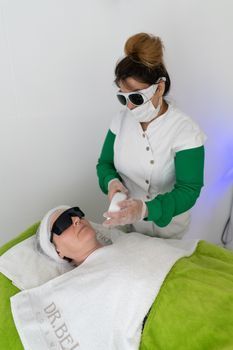
Why is darker skin more sensitive to laser?
Many lasers work by targeting melanin or creating heat in the skin. Darker skin contains more melanin in the epidermis, so it absorbs more laser energy at the surface. This can increase the risk of burns or of the pigment cells reacting to inflammation, which leads to post-inflammatory hyperpigmentation (PIH), a temporary darkening that can last weeks to months. Lightening of pigment, called hypopigmentation, is also possible.
Which lasers are commonly used on darker skin tones?
- Low-energy toning: Whole-face laser toning at gentle settings for uneven tone.
- Picosecond lasers: Devices such as PicoSure Pro deliver energy in ultra-short pulses with less heat, which may reduce some risks.
- Longer wavelengths: Wavelengths such as 1064 nm penetrate deeper and interact less with surface melanin.
- Non-laser alternatives: Boosters, HydraFacial and some energy-based devices that do not rely on pigment.
How can the risks be reduced?
- Careful diagnosis: The doctor assesses your skin type, pigment history and any previous reactions.
- Test spot: A small area may be treated first to see how your skin responds.
- Conservative settings: Starting with lower energy and increasing gradually.
- Spacing sessions: Allowing enough time for the skin to recover between treatments.
- Sun protection: Avoid tanning before treatment and use SPF 50 afterward. See can I get laser if I have a tan?
- Pre- and post-care: Some doctors recommend topical brightening or calming products.
What should I tell the doctor?
Mention any history of dark marks after acne, cuts or previous lasers, any keloid scarring, medications that increase light sensitivity, and recent sun exposure. These details help the doctor choose a safer plan. Treatment is always decided after consultation, and results vary by individual. Darker skin can absolutely be treated, but a patient, step-by-step plan tends to be safer than aggressive single sessions. Book through our Booking page.
At a glance
- Main risk: Post-inflammatory hyperpigmentation (temporary darkening)
- Other risks: Hypopigmentation, burns if settings are too strong
- Often-used options: Low-energy toning, picosecond lasers, longer wavelengths
- Safety steps: Test spot, conservative settings, spaced sessions
- Good to know: Sun protection before and after is essential
Related questions
Is pico toning safer than other lasers for dark skin?
Picosecond lasers deliver energy in very short pulses with less heat, which may lower some risks compared with older lasers. However, no laser is risk-free, and settings matter as much as device type. The doctor will choose an approach based on your skin and history.
What if I get dark marks after laser?
Post-inflammatory hyperpigmentation usually fades gradually with sun protection and topical care, though it can take weeks to months. Contact the clinic if you notice darkening, as the doctor may adjust your plan, recommend calming products or pause further treatment until the skin settles.
Can I have laser hair removal or resurfacing with darker skin?
Some laser types are designed for darker skin, while others carry higher risks. Aggressive resurfacing lasers need particular caution. Discuss your goals with the doctor, who will explain which options are suitable and which alternatives may be safer for your skin type and history.
Keep reading
Before you book
This page is general information, not a diagnosis. Suitability, dose, number of sessions and expected results are decided by a doctor at consultation, and results vary by individual. Possible side effects include redness, swelling and bruising. Pricing is confirmed in writing before any treatment. See our medical disclaimer.
Still have a question?
A doctor at Re:berry Clinic Hongdae can answer it for your skin specifically. Multilingual consultation support is available.