
Yes, laser toning can sometimes make melasma worse, usually when energy is too high, sessions are too frequent or skin is inflamed or tanned. Risks include rebound darkening and white spots called hypopigmentation. At Re:berry Hongdae, low-energy settings, careful spacing, barrier care and strict sun protection are used to lower that risk.
Re:berry Clinic Hongdae · Information reviewed for accuracy · Results vary by individual.
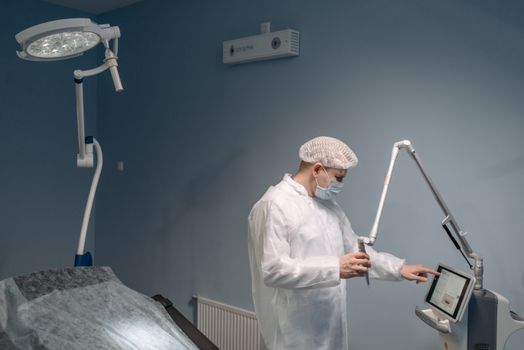
Why can melasma get worse after laser?
Melasma involves overactive pigment cells that react strongly to heat and inflammation. Laser toning works by using low-energy pulses to gradually break up pigment without significant heat. If the energy is too strong, or sessions are too close together, the skin may become inflamed, and the pigment cells can respond by producing even more pigment. This is often called rebound hyperpigmentation.
What is hypopigmentation?
Over many aggressive sessions, some patients develop small white or lighter spots, called mottled hypopigmentation. It is harder to treat than melasma itself, which is why conservative settings and treatment breaks matter.
Who is at higher risk?
- People with a recent tan or sunburn
- Skin with an irritated barrier from scrubs, peels or strong actives
- Darker or easily pigmenting skin types
- Those who skip daily sunscreen during treatment
- Patients with active hormonal triggers such as pregnancy
How does Re:berry Hongdae reduce the risk?
- Diagnosis first: Confirming melasma and its depth, and ruling out look-alikes.
- Conservative settings: Low fluence and gentle passes.
- Spacing: Sessions typically one to two weeks apart, with reviews.
- Combination care: Barrier support, vascular treatment if needed, and pigment-regulating skincare.
- Monitoring: Pausing or adjusting if the skin shows irritation or darkening.
Pico toning is another option some patients consider. See pico toning vs laser toning.
What can you do at home to protect your skin?
Daily broad-spectrum SPF 50, reapplied outdoors, is the single most important step. A tinted sunscreen with iron oxides can help block visible light, which also stimulates melasma. Keep skincare gentle, avoid scrubs and peels during the course, and limit heat exposure such as saunas, jjimjilbang and hot yoga. Tell your doctor before starting any new active product.
Warning signs to report
Contact the clinic if patches look darker a week or more after a session, if new white spots appear, or if your skin feels hot, itchy or persistently red. Early adjustment usually helps. Results vary by individual, and melasma tends to need ongoing maintenance and sun protection.
At a glance
- Main risks: Rebound pigmentation, mottled hypopigmentation
- Common causes: High energy, too-frequent sessions, inflamed skin
- Risk raised by: Recent tan, sunburn, irritated barrier
- Lower-risk approach: Low fluence, 1–2 week spacing, combination care
- Sun protection: Essential throughout treatment
Related questions
Is it normal for melasma to look darker right after toning?
Some patients notice slight temporary darkening or redness for a few days, which usually settles. Persistent darkening beyond one to two weeks may indicate irritation or rebound pigmentation. Report it to your doctor, who may pause sessions, lower energy or adjust your skincare.
How many toning sessions are safe for melasma?
There is no single safe number, but courses commonly include five to ten sessions spaced one to two weeks apart, followed by breaks and maintenance. Very long, uninterrupted courses at high frequency are associated with hypopigmentation. Your doctor reviews progress and adjusts the plan.
Can I get toning if I have a tan?
It is usually better to wait until a tan has faded, as tanned skin has more active pigment and a higher risk of irritation and rebound pigmentation. Tell your doctor about recent sun exposure so the timing and settings can be adjusted safely.
Keep reading
Before you book
This page is general information, not a diagnosis. Suitability, dose, number of sessions and expected results are decided by a doctor at consultation, and results vary by individual. Possible side effects include redness, swelling and bruising. Pricing is confirmed in writing before any treatment. See our medical disclaimer.
Still have a question?
A doctor at Re:berry Clinic Hongdae can answer it for your skin specifically. Multilingual consultation support is available.