
Genesis laser is a gentle, non-ablative Nd:YAG technique that warms the skin to help reduce diffuse facial redness and improve tone. At Re:berry Hongdae it is often used for mild to moderate rosacea-type redness, typically in three to six sessions with little downtime, alongside soothing care. Results vary by individual.
Re:berry Clinic Hongdae · Information reviewed for accuracy · Results vary by individual.
How does Genesis laser help redness?
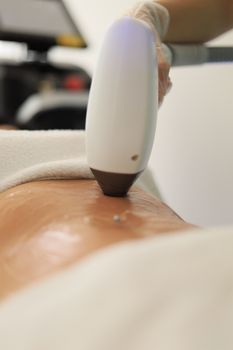
Genesis is a laser technique that uses a 1064 nm Nd:YAG laser in rapid, low-energy pulses held slightly above the skin. The handpiece is moved repeatedly over the area, gently heating the upper dermis. This warmth is thought to help shrink small dilated vessels, calm inflammation and stimulate mild collagen remodeling.
Because the skin surface is not wounded, Genesis is often chosen for sensitive and reactive skin that might not tolerate more aggressive treatments.
Who is Genesis laser suitable for?
Genesis may suit people with:
- persistent background redness on the cheeks, nose or chin;
- skin that flushes easily with heat, exercise or alcohol;
- mild visible redness combined with dullness or enlarged pores;
- redness lingering after acne has cleared;
- a busy schedule or travel plans that leave little room for downtime.
It may be less suitable during an active inflammatory rosacea flare with many bumps, where calming the skin first is usually advised. Prominent, thicker vessels may need a different vascular approach. Pregnancy, recent sunburn and certain photosensitizing medications are also reasons to discuss timing with the doctor. If your redness pattern is unclear, our facial redness and rosacea page explains how types are distinguished.
What should I expect during a session?
- Assessment: the doctor checks the redness pattern and skin sensitivity.
- Cleansing: makeup and sunscreen are removed. Numbing is usually not needed.
- Laser passes: eye protection is applied and the handpiece is moved over the face in multiple passes until the skin feels evenly warm.
- Soothing: a cooling mask or calming treatment may follow.
Most people describe a warm, slightly prickly sensation, similar to sitting near a heater. The full appointment typically takes under an hour including preparation.
How many sessions are needed?
A common plan is three to six sessions spaced two to four weeks apart. Many patients notice the redness softening after the second or third session, with more stable change by the end of the course. Because rosacea is chronic, occasional maintenance sessions are often recommended. Results vary by individual.
Aftercare
- Expect mild warmth or pinkness for a few hours.
- Use a gentle moisturizer and broad-spectrum sunscreen.
- Avoid saunas, hot baths, alcohol and intense exercise for the rest of the day.
- Pause exfoliating acids and strong retinoids for a few days.
Rare side effects include temporary swelling, small bruises or pigment change. See our laser aftercare guide for general advice.
What can Genesis be combined with?
Following Re:berry's approach of designing combinations rather than single procedures, Genesis is commonly paired with:
- LDM: high-frequency ultrasound used for soothing and hydration on the same visit.
- Laser toning: when redness overlaps with uneven pigmentation.
- Regenerative boosters: to support barrier recovery in selected cases.
- Medical skincare: a simplified routine that reduces irritation between sessions.
How is Genesis different from laser toning?
Both use a 1064 nm Nd:YAG laser, but they are set up differently. Genesis typically uses rapid, gentle heating held slightly away from the skin to warm the dermis, which is why it is often chosen for redness and texture. Laser toning usually uses very short, low-energy pulses aimed at breaking up pigment, so it is more commonly used for melasma and uneven tone. Some plans include both on the same visit when redness and pigmentation overlap.
What are the alternatives?
If Genesis is not the right fit, the doctor may discuss other options:
- LDM-led soothing plans for very sensitive skin, explained in our LDM for redness guide;
- Other vascular laser approaches for more prominent vessels;
- Medical treatment for inflammatory rosacea, where a dermatologist's prescription may be needed first.
How should I prepare for Genesis laser?
A few simple steps before your appointment help the session go smoothly:
- avoid sunburn, tanning and long outdoor exposure for about two weeks;
- pause exfoliating acids, scrubs and strong retinoids three to five days beforehand;
- tell the doctor about medications that increase light sensitivity;
- skip alcohol and saunas the day before if they tend to trigger your flushing.
If you are visiting Seoul, a session early in your trip leaves time to see how your skin responds before you fly home.
Booking a Genesis consultation in Hongdae
Pricing depends on the area, the number of sessions and any combined treatments, and is confirmed in writing at consultation. Visit Location & Hours for branch details and the Booking page to request an appointment.
Key facts
- Treatment time: About 15–30 minutes
- Downtime: Usually none; mild warmth or pinkness for a few hours
- Sessions: Typically 3–6 sessions, 2–4 weeks apart
- Results seen: Gradual softening after 2–3 sessions
- Best for: Diffuse redness, flushing-prone skin, uneven tone
- Less suited to: Active inflamed flares without prior calming
Frequently asked questions
Can I wear makeup after Genesis laser?
Many people can apply light makeup later the same day or the next morning once warmth has settled, since the skin surface is not broken. If your skin feels sensitive, give it a little longer and choose gentle, fragrance-free products. Always apply sunscreen, and follow the specific aftercare you receive at Re:berry Hongdae.
Is Genesis laser safe for darker skin?
Genesis uses a 1064 nm wavelength, which is generally considered suitable for a wide range of skin tones because it is less absorbed by surface pigment. Settings still need to be adjusted for each person. The doctor will assess your skin type and history of pigmentation before recommending treatment, and a cautious approach is taken where needed.
Will Genesis laser cure my rosacea?
No treatment currently cures rosacea. Genesis may help reduce background redness and how reactive the skin feels, but flares can still happen, especially with known triggers. The goal is better control over time through a combination of laser sessions, soothing care, sun protection and trigger management. Results vary by individual.
Keep reading
Before you book
This page is general information, not a diagnosis. Suitability, dose, number of sessions and expected results are decided by a doctor at consultation, and results vary by individual. Possible side effects include redness, swelling and bruising. Pricing is confirmed in writing before any treatment. See our medical disclaimer.
Start with a diagnosis, not a package
Re:berry Clinic Hongdae designs your plan after a one-to-one skin assessment. Multilingual consultation support is available.