
Genesis laser is a non-ablative 1064nm Nd:YAG laser treatment that gently warms the skin to calm redness, refine texture and support collagen without breaking the surface. At Re:berry Hongdae, a session typically takes 15–30 minutes with little or no downtime, and a series of 5–10 sessions is commonly recommended. Results vary by individual.
Re:berry Clinic Hongdae · Information reviewed for accuracy · Results vary by individual.
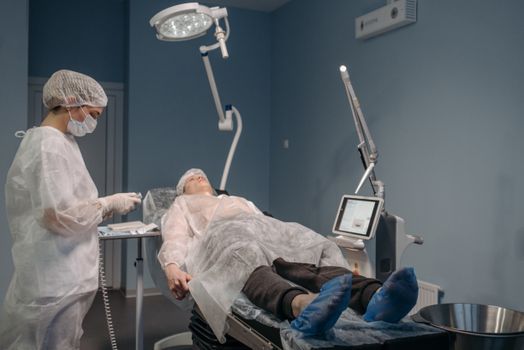
What is Genesis laser?
Genesis laser is a technique that uses a 1064nm Nd:YAG laser in short, rapid pulses held slightly above the skin. Instead of cutting or peeling the surface, it gradually warms the upper dermis. This gentle heat is thought to reduce the visibility of small blood vessels, calm inflammation and stimulate collagen remodeling.
Because it is non-ablative, the outer layer of skin stays intact. That is why Genesis is often called a "lunchtime laser": you can usually walk out and continue your day, whether that means returning to the office or exploring Yeonnam-dong cafes.
What does Genesis laser treat?
Genesis is most often used for concerns that respond to gentle, repeated heating rather than strong single sessions:
- Diffuse facial redness and flushing, including mild redness and rosacea
- Post-acne redness that lingers after breakouts heal
- Rough or uneven texture and a dull, tired complexion
- Enlarged-looking pores and mild oiliness
- Early fine lines, through mild collagen stimulation
It is not a primary treatment for deep acne scars, distinct pigment spots or significant sagging. Those concerns usually need other devices, which the doctor may combine with Genesis.
How does a Genesis laser session work?
- Skin assessment: a doctor checks redness patterns, sensitivity and any active acne or recent sun exposure.
- Cleansing: makeup and sunscreen are removed. Numbing cream is rarely needed.
- Laser passes: the handpiece is moved over the face in repeated passes until the skin feels evenly warm. Many people describe it as a pleasant heat, sometimes with a light snapping sensation.
- Soothing: a calming product and sunscreen are applied before you leave.
How many Genesis sessions will I need?
Because each session is gentle, results build up over a series. A common plan is 5–10 sessions spaced 2–4 weeks apart, followed by periodic maintenance. People with stubborn rosacea-type redness may need more, while those focusing on glow and texture may notice changes sooner.
Visitors on a short trip can still have a single session for an instant fresher look, but the cumulative effect on redness typically requires regular visits. Expats and residents in Mapo-gu often fit sessions in after work. For a focused overview, read what Genesis laser is good for.
What are the side effects of Genesis laser?
Genesis is considered low-risk when performed with appropriate settings, but side effects can occur:
- Temporary pinkness or warmth for a few hours
- Mild dryness or sensitivity for a day or two
- Rarely, small blisters, burns or pigment changes if the skin is tanned or settings are too strong
Let the doctor know about recent sun exposure, isotretinoin use, photosensitizing medications, a history of cold sores or melasma. These affect timing and settings.
What should I do before and after Genesis laser?
Before
- Avoid tanning and strong sun exposure for at least two weeks.
- Pause strong exfoliants or retinoids for a few days if advised.
- Arrive with clean skin if possible.
After
- Use broad-spectrum sunscreen daily and reapply when outdoors.
- Keep skincare simple and hydrating for 24–48 hours.
- Avoid saunas, very hot showers and alcohol on the day of treatment if you flush easily.
Our guide to aftercare after laser treatments covers this in more detail.
Who is Genesis laser suited for?
Genesis typically suits people who want gradual, low-risk improvement with no visible recovery. That includes office workers who cannot take time off, students around Hongik and Yonsei who want to manage post-acne redness, and travelers who want a fresher complexion before an event or photos. It is also often chosen by people with sensitive or reactive skin who find stronger lasers uncomfortable, provided settings are kept conservative.
It may be less suitable if you have a fresh tan, an active skin infection, open wounds, or are pregnant. People with melasma can sometimes be treated, but the doctor will be cautious because heat can aggravate pigment in some cases.
How is Genesis used for rosacea-prone skin?
Rosacea is a chronic condition, so lasers manage rather than cure it. For mild redness and visible flushing, regular Genesis sessions may reduce the background redness and make flare-ups less noticeable. Doctors usually combine this with trigger management: avoiding very hot drinks, alcohol, spicy food and sudden temperature changes, which can be challenging during humid Seoul summers and cold, windy winters. Prescription skincare may also be discussed where appropriate.
How does Genesis compare with other Re:berry lasers?
Re:berry selects lasers by diagnosis rather than offering one device for everything. Genesis focuses on redness and texture through gentle heat. Laser toning uses low-fluence Q-switched energy aimed at diffuse pigment, and PicoSure Pro uses picosecond pulses for pigment and texture. LDM is an ultrasound-based treatment sometimes used alongside Genesis for sensitive, reactive skin. A combined plan is common, for example Genesis for redness with a skin booster for barrier support.
Pricing and booking
Pricing depends on the area, number of sessions and whether Genesis is part of a combination plan. It is confirmed in writing at consultation. Book via the channels on our Booking page; see Location & Hours for the branch address and opening hours.
Key facts
- Treatment time: About 15–30 minutes
- Downtime: Usually none; mild pinkness for a few hours
- Sessions: Commonly 5–10, spaced about 2–4 weeks apart
- Results seen: Gradual improvement after several sessions
- Best for: Diffuse redness, flushing, mild rosacea, dull texture, enlarged-looking pores
- Skin types: Generally suitable for a wide range of skin tones when settings are adjusted
Frequently asked questions
Is Genesis laser painful?
Most people find Genesis laser comfortable. It feels like gentle warmth building across the skin, sometimes with a light snapping sensation. Numbing cream is usually not needed, and the operator can adjust the passes if an area feels too hot.
Can I wear makeup after Genesis laser?
Because Genesis does not break the skin surface, many people can apply makeup the same day or the next morning. If your skin feels warm or sensitive, waiting a few hours and using gentle, non-irritating products is sensible. Always apply sunscreen first.
Is Genesis laser safe for darker skin?
The 1064nm wavelength is absorbed less by melanin than shorter wavelengths, so Genesis is often used across a range of skin tones. Settings still need to be adjusted for your skin type, and recent tanning raises the risk of pigment changes. A doctor's assessment is important.
How soon will I see results from Genesis laser?
Some people notice a brighter, smoother look within a few days of the first session. Improvement in persistent redness and pore appearance typically builds over several sessions, so results are usually evaluated after a series rather than one visit. Results vary by individual.
Keep reading
Before you book
This page is general information, not a diagnosis. Suitability, dose, number of sessions and expected results are decided by a doctor at consultation, and results vary by individual. Possible side effects include redness, swelling and bruising. Pricing is confirmed in writing before any treatment. See our medical disclaimer.
Start with a diagnosis, not a package
Re:berry Clinic Hongdae designs your plan after a one-to-one skin assessment. Multilingual consultation support is available.