
Dull, uneven skin tone means skin that looks flat, gray or blotchy instead of clear and luminous. At Re:berry Hongdae, doctors first identify the cause, such as dehydration, pigment, redness or rough texture, then combine treatments like laser toning, HydraFacial and skin boosters. Many patients notice brighter skin within weeks, with fuller results over several sessions.
Re:berry Clinic Hongdae · Information reviewed for accuracy · Results vary by individual.
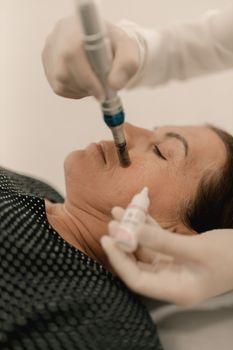
What does dull, uneven skin tone mean?
Dull skin reflects light poorly, so it looks matte, tired or slightly gray even without obvious spots. Uneven tone describes variations in color: patches of brown, areas of redness, or a contrast between the center and edges of the face. The two often appear together and are among the most common reasons people visit a skin clinic in Hongdae.
Because several different problems can produce the same tired look, the most important step is working out which ones apply to you.
What causes dull or uneven skin?
- Dehydration: Skin low in water reflects light unevenly and shows fine lines more. Seoul's dry winters and indoor heating make this common. See dehydrated skin.
- Dead cell buildup: Slow cell turnover leaves a rough layer that scatters light.
- Pigment: Fine, diffuse pigment from sun exposure, post-acne marks or early melasma creates a muddy look.
- Redness: Visible vessels and flushing make tone uneven, especially around the nose and cheeks.
- Congested pores: Oil and debris in pores can give a grayish cast.
- Lifestyle: Poor sleep, smoking, stress and travel fatigue can all reduce radiance.
How do doctors diagnose the cause?
At Re:berry Hongdae, consultation starts with a close skin examination and questions about your routine, sun exposure and history. The doctor looks for four main patterns.
Pigment-dominant dullness
Brownish, blotchy or patchy areas suggest pigment is the main driver. Toning lasers are often central to the plan.
Redness-dominant unevenness
Pink or red patches and visible capillaries point toward vascular treatment and barrier support rather than brightening alone.
Texture-dominant dullness
Rough, flaky or congested skin may benefit most from deep cleansing, gentle resurfacing and hydration.
Hydration-dominant dullness
Skin that feels tight and looks crepey often responds well to injectable hydration boosters.
Most people have a mix, which is why a combination plan usually works better than a single treatment.
Which Re:berry treatments may help?
Laser toning and pico toning
Laser toning and pico toning use low-energy pulses to gradually break up fine pigment and even out tone with little visible downtime. Our guide to laser toning for dull skin explains sessions and spacing.
HydraFacial
HydraFacial cleanses, exfoliates, extracts and infuses serums in one session. It is a popular choice before events because it improves surface glow quickly without downtime.
Skin boosters
Boosters such as Re2O, Laetigen and Rejuran Healer deliver hydrating or regenerative ingredients into the skin. They tend to improve the clarity and bounce of skin over several weeks.
Genesis laser
For redness and dullness together, the Genesis laser gently warms the skin to help reduce redness and refine texture.
Beauty IV drips
Some patients ask about glutathione or vitamin drips for radiance. Evidence for skin brightening from IV drips is limited and results vary, so they are best viewed as an optional add-on, not a main treatment. See beauty IV drips for dull skin.
Example combinations
- Before an event: HydraFacial plus a light toning session.
- Pigment and dryness: A course of toning with a hydrating booster mid-course.
- Redness and dullness: Genesis laser with barrier-focused skincare.
- Tired, thin-looking skin: A regenerative booster followed by maintenance HydraFacials.
What timeline should I expect?
Surface treatments like HydraFacial show change within a day. Toning usually needs three to five sessions spaced two to four weeks apart for steady improvement. Boosters typically show changes in texture and glow two to four weeks after treatment. Results vary by individual and are maintained with sunscreen and a consistent routine.
Risks and precautions
Most brightening treatments have little downtime, but laser treatments can cause temporary redness, and boosters may leave small bumps. People with recent tanning, active eczema or very sensitive skin may need a gentler starting plan. Overusing exfoliating acids at home can make tone worse, so keep your routine simple during treatment. If you take medication that increases light sensitivity, or have recently used isotretinoin, mention it at consultation, as some treatments may need to wait.
Does the season affect skin tone in Seoul?
It does for many people. Seoul summers bring strong UV, heat and humidity, which can deepen pigment and increase oiliness. Winters are cold and very dry, and indoor heating draws moisture from the skin, which tends to make it look flat and flaky. Spring can bring fine dust and pollen that irritate sensitive skin. Your plan may shift with the seasons: more hydration and barrier support in winter, more pigment control and sun protection in summer. Our guide to skin care for Seoul seasons has practical tips.
At-home habits that help
- Daily broad-spectrum sunscreen, even on cloudy Seoul days
- A gentle cleanser and a moisturizer suited to the season
- Limited exfoliation, no more than your doctor recommends
- Good sleep and hydration, especially when traveling
Booking
Pricing depends on the treatments chosen, the number of sessions and the overall plan, and is confirmed in writing at consultation. Book through our Booking page.
Key facts
- What it is: Loss of radiance and evenness in skin color
- Common causes: Dehydration, pigment, redness, buildup, fatigue
- Typical approach: Combination of resurfacing, toning and hydration
- Results seen: Often within 1–4 weeks
- Sessions: Commonly 3–5 visits, spaced 2–4 weeks
- Downtime: Usually minimal
Frequently asked questions
What is the fastest way to brighten dull skin?
For a quick, visible change, a HydraFacial or similar deep-cleansing facial typically improves glow the same day with no downtime. For longer-lasting brightness, especially when pigment or dehydration is involved, toning lasers and skin boosters work over several weeks and are often combined.
Is dull skin the same as pigmentation?
Not always. Dullness can come from dehydration, rough texture or redness as well as pigment. Treating pigment alone may not help if dehydration is the main cause. That is why the doctor identifies the dominant pattern in your skin before recommending treatments.
Can men get treatments for uneven skin tone?
Yes. Men often have thicker, oilier skin with congested pores and sun-related pigment, all of which contribute to dullness. HydraFacial, toning and oil-control approaches such as skin Botox are commonly used. The plan is adjusted to skin thickness and shaving habits.
Do I need to stop my skincare before treatment?
You may be asked to pause retinoids and exfoliating acids for a few days before laser treatments. Keep using a gentle cleanser, moisturizer and sunscreen. Bring a list of your products to consultation so the doctor can advise on what to continue.
Keep reading
Before you book
This page is general information, not a diagnosis. Suitability, dose, number of sessions and expected results are decided by a doctor at consultation, and results vary by individual. Possible side effects include redness, swelling and bruising. Pricing is confirmed in writing before any treatment. See our medical disclaimer.
Start with a diagnosis, not a package
Re:berry Clinic Hongdae designs your plan after a one-to-one skin assessment. Multilingual consultation support is available.