
CellREDM is a skin booster made from human-derived extracellular matrix (ECM), the structural material that supports collagen and elastin in the skin. At Re:berry Hongdae it is injected in small amounts to help improve texture, thinning skin, fine lines and post-acne irregularities. A course is typically two to three sessions. Results vary by individual.
Re:berry Clinic Hongdae · Information reviewed for accuracy · Results vary by individual.
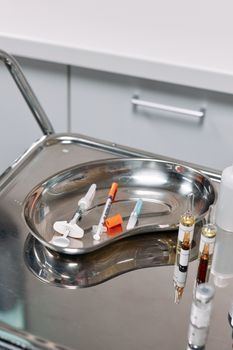
What is CellREDM?
CellREDM is an injectable skin booster based on human-derived extracellular matrix, often shortened to ECM. ECM is the scaffold that sits between skin cells and holds collagen, elastin and other structural proteins in place. As we age, or after inflammation such as acne, this scaffold becomes thinner and less organized.
The idea behind an ECM booster is to supply a scaffold-like material directly into the dermis, giving the skin a framework that supports its own repair process. This differs from boosters that mainly add hydration, such as hyaluronic acid products, or those that mainly send signals to cells, such as PDRN.
CellREDM is a newer category of booster in Korea, and Re:berry includes it in its skin booster menu alongside options such as Rejuran Healer and Re2O.
What can CellREDM help with?
Doctors typically consider CellREDM for concerns related to the structure and density of the skin rather than surface pigment. Common goals include:
- Thin or crepey skin: areas that look fragile or finely creased, such as the cheeks or under-eye area when appropriate.
- Uneven texture: skin that feels rough or looks irregular under light.
- Shallow acne scars: rolling or soft depressed scars, often in combination with other treatments.
- Early fine lines: where the skin is losing bounce and density.
- Skin recovery support: as part of a plan after lasers or alongside lifting treatments.
It is not a volumizing filler and is not designed to lift sagging skin. If volume loss or laxity is the main issue, those concerns are addressed with different tools.
Who is CellREDM suitable for?
CellREDM may suit adults who want gradual improvement in skin quality without a dramatic change in appearance. It is often discussed with people who have tried hydrating boosters and want something more focused on skin structure.
When to be cautious
- pregnancy or breastfeeding;
- active acne, infection or inflammation in the treatment area;
- a history of keloid scarring or strong reactions to injectables;
- blood-thinning medication, which can increase bruising;
- autoimmune conditions or other medical issues, which should be discussed with the doctor.
Because CellREDM is derived from human tissue, the doctor will explain what the product is and answer questions about its origin and processing during consultation.
What happens during a CellREDM session?
- Skin assessment: the doctor reviews your concerns and decides which areas and depth to treat.
- Numbing: a topical anesthetic cream is usually applied for around 20–40 minutes.
- Injection: the booster is placed in small amounts across the treatment zone using a needle or cannula, depending on the area.
- Soothing: the skin is cleaned and calmed before you leave.
The injection itself typically takes 10–20 minutes for a full face.
Recovery and side effects
Most people see small raised bumps at the injection points for one to three days as the product settles. Other common temporary effects include redness, mild swelling and pinpoint bruising. These usually fade within a few days to a week.
- Avoid makeup on the treated area for the rest of the day where possible.
- Skip saunas, jjimjilbang, intense exercise and alcohol for about 24–48 hours.
- Do not massage or press the bumps.
- Use gentle skincare and daily sunscreen.
Rare risks with any injection include infection, prolonged lumps or allergic reaction. Contact the clinic if anything feels unusual. Our skin booster aftercare guide covers the details.
How many sessions do I need, and how long do results last?
A typical plan is two to three sessions spaced about four weeks apart, followed by maintenance every few months if desired. Changes are gradual, with many patients noticing improved texture and firmness four to eight weeks after the course begins. How long results last depends on age, skin condition and lifestyle, and results vary by individual.
How does CellREDM compare with other boosters?
Re:berry offers several boosters because each works differently:
- Rejuran Healer: a polynucleotide (PN) booster aimed at skin recovery and barrier support.
- CellREDM: a human-derived ECM booster focused on dermal structure.
- Re2O and Laetigen: other structure- and collagen-oriented options on the Re:berry menu.
For a side-by-side view, read Rejuran Healer vs CellREDM. The doctor may combine boosters with lasers or lifting in one plan, which reflects Re:berry's approach of designing combinations rather than single procedures.
Is CellREDM practical for visitors to Seoul?
For travelers, the main consideration is the visible bumps in the first one to three days. If you have photos or events planned, schedule CellREDM early in your trip rather than the day before. Because a course usually involves two or three sessions about a month apart, international patients sometimes start with one session in Hongdae and continue at a later visit, or combine it with other treatments that need only one appointment. The doctor can suggest a realistic schedule based on your travel dates.
Booking and pricing
Pricing depends on the product amount, the area and whether you choose a single session or a course, and is confirmed in writing at consultation. See Location & Hours for branch details and use the Booking page to request an appointment.
Key facts
- Type: Human-derived ECM (extracellular matrix) skin booster
- Treatment time: About 30–60 minutes including numbing
- Downtime: Small bumps and redness for 1–3 days; bruising possible
- Sessions: Typically 2–3 sessions about 4 weeks apart
- Results seen: Gradual change over 4–8 weeks
- Best for: Thin, crepey skin, texture and shallow scarring
Frequently asked questions
Is CellREDM the same as a filler?
No. Fillers add volume to lift or reshape an area, while CellREDM is a skin booster placed in small amounts to support skin structure and quality. It does not create noticeable volume and is not used to change facial shape. The two can be combined in one plan when both volume and skin quality need attention.
Does CellREDM hurt?
Most people feel brief pinpricks and mild pressure during injection. A numbing cream is usually applied beforehand, which makes the process more comfortable for many patients. Areas with thinner skin can feel more sensitive. If you are anxious about discomfort, mention it during consultation so the team can plan accordingly.
Can CellREDM help acne scars?
CellREDM may help soft, shallow scars by supporting the skin structure beneath them. Deeper or sharper scars usually need a combination approach, such as lasers or other scar treatments. The doctor will assess your scar types and explain realistic expectations, since results vary by individual and scars rarely disappear entirely.
When can I wear makeup after CellREDM?
Many clinics suggest waiting until the next day so the tiny injection points can close. After that, gentle makeup is usually fine. If you have visible bumps or bruises, a light concealer can be used once the skin has settled. Follow the specific instructions you receive at Re:berry Hongdae after treatment.
Keep reading
Before you book
This page is general information, not a diagnosis. Suitability, dose, number of sessions and expected results are decided by a doctor at consultation, and results vary by individual. Possible side effects include redness, swelling and bruising. Pricing is confirmed in writing before any treatment. See our medical disclaimer.
Start with a diagnosis, not a package
Re:berry Clinic Hongdae designs your plan after a one-to-one skin assessment. Multilingual consultation support is available.