
Acne scars are lasting changes in skin texture left after inflamed acne damages collagen, most often as depressed rolling, boxcar or icepick scars. At Re:berry Hongdae, treatment starts with identifying scar types, then combining approaches such as skin boosters, regenerative injections and lasers over several months. Improvement is typically gradual, and results vary by individual.
Re:berry Clinic Hongdae · Information reviewed for accuracy · Results vary by individual.
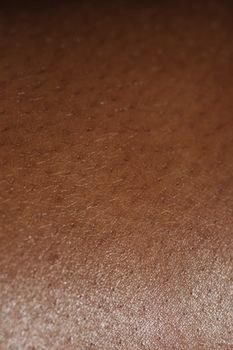
What causes acne scars?
Acne scars form when deep inflammation in a blocked pore damages the surrounding dermis. As the skin heals, it may produce too little collagen, leaving a depression, or too much, leaving a raised scar. The more inflamed and long-lasting the breakouts, and the more they are squeezed or picked, the higher the chance of scarring.
Genetics, skin type and delays in treating active acne also play a role. This is why the first step for many patients is calming current breakouts; treating scars while new ones keep forming is rarely efficient. If acne is still active, see our page on acne treatment.
What types of acne scars are there?
Identifying the type matters because each responds to different tools. Most people have a mix.
Rolling scars
Broad, soft depressions with sloping edges, caused by fibrous bands pulling the skin down. They are often more visible in side lighting and may respond to treatments that release tethering and rebuild volume.
Boxcar scars
Round or oval depressions with sharper, defined edges. Shallow boxcars may improve with resurfacing and collagen stimulation; deeper ones often need multiple approaches.
Icepick scars
Narrow, deep openings that look like large pores. They tend to be the most stubborn and usually require targeted techniques.
Raised scars and post-acne marks
Hypertrophic or keloid scars are raised and firm. Red or brown marks left after a pimple, called post-inflammatory erythema or hyperpigmentation, are not true scars and often fade with redness or pigment treatments.
How is acne scarring diagnosed at Re:berry Hongdae?
Re:berry's philosophy is diagnosis before packages. At consultation, a doctor examines your skin under different lighting angles, maps which scar types are present, and checks skin thickness, oiliness, sensitivity and any active acne. Your history matters too: previous treatments, isotretinoin use, tendency to keloid or pigment, and how much downtime your schedule allows.
From this, the doctor designs a combination plan rather than a single procedure, and explains which scars are likely to improve more and which may change less.
Which Re:berry treatments are used for acne scars?
- CellREDM skin booster: an extracellular matrix booster used to support dermal regeneration, often for rolling and shallow boxcar scars.
- Rejuran Healer: a polynucleotide injection that may improve skin quality and healing environment around scars.
- Exosome therapy: often used after laser to support recovery and regeneration.
- PicoSure Pro and other lasers: fractional or textural laser approaches can help resurface uneven areas and fade marks.
- Genesis laser: helpful for lingering red post-acne marks rather than depressions.
- Keloid and scar injections: used for raised hypertrophic or keloid scars, typically every 4–6 weeks.
Why are combination treatments used for acne scars?
A single device rarely addresses all scar types at once. Resurfacing lasers work on the surface and edges, boosters and regenerative injections work on the dermal environment, and raised scars need their own approach. Combining them, with sensible spacing, can produce more balanced improvement than repeating one treatment.
A common sequence is to treat active acne and redness first, then alternate laser sessions with booster or regenerative injections every 3–6 weeks. For a deeper look at one option, read our guide to CellREDM for acne scars.
What is a realistic timeline for acne scar improvement?
- Weeks 0–4: active acne control, first combination session, initial redness or swelling settling.
- Months 1–3: repeated sessions; texture and red marks often begin to look softer.
- Months 3–6: collagen remodeling continues; depressed scars may look shallower.
- Months 6–12: reassessment and maintenance, with further sessions for stubborn areas.
Complete removal of acne scars is not a realistic expectation. Many patients aim for meaningful softening, and results vary by individual. See can acne scars be removed completely? for more.
What are the risks of acne scar treatments?
Depending on the methods used, temporary redness, swelling, bruising at injection points, pinpoint scabbing and sensitivity are common. Less often, post-inflammatory pigmentation, infection or flare-ups of acne can occur. People with darker skin tones, recent tanning or a keloid tendency need settings and plans adjusted. Isotretinoin use affects timing of some procedures and should always be disclosed.
How can you protect results between sessions?
- Wear broad-spectrum sunscreen daily, since UV exposure can deepen post-acne marks and pigment.
- Avoid picking or squeezing new spots, which can create fresh scars.
- Use gentle, non-comedogenic skincare and follow the aftercare sheet after each session.
- Keep follow-up appointments so the plan can be adjusted as scars change.
Can visitors start acne scar treatment in Hongdae?
Yes, but scar plans typically run over several months. Visitors on a short trip can have a consultation and a first session, then continue at home or return for follow-ups. Residents in Mapo-gu and students around Hongik and Yonsei often follow a regular schedule. Costs depend on the combination chosen and are confirmed in writing at consultation; book through our Booking page.
Key facts
- Common types: Rolling, boxcar, icepick, hypertrophic and post-acne marks
- Typical approach: Combination plan matched to scar type
- Sessions: Often 3–6 or more, spaced about 3–6 weeks apart
- Timeline: Gradual change over 3–12 months
- Realistic goal: Softer, shallower scars and smoother texture rather than complete removal
- Start with: Control of active acne before scar treatment
Frequently asked questions
Can acne scars be treated while I still have breakouts?
Some treatments can be done alongside acne control, but many doctors prefer to calm active breakouts first. New inflammation can create new scars and may increase the risk of irritation or infection after procedures. The doctor will decide the order based on how active your acne is.
How many sessions do acne scars need?
Most people need several sessions, often 3–6 or more, spaced a few weeks apart. Deep icepick and boxcar scars usually need more work than shallow rolling scars. The exact number depends on scar types, skin type and the combination of treatments chosen.
Which acne scars are hardest to treat?
Icepick scars and deep boxcar scars are generally the most stubborn because they extend deep into the skin with steep walls. They often need targeted techniques combined with resurfacing. Shallow rolling scars and red or brown marks typically respond more readily.
Is there downtime with acne scar treatment?
It depends on the method. Skin boosters may leave small bumps or redness for a day or two, while some lasers cause redness, pinpoint scabbing or swelling for several days. The doctor can design a plan around your schedule, including lower-downtime options for travelers.
Keep reading
Before you book
This page is general information, not a diagnosis. Suitability, dose, number of sessions and expected results are decided by a doctor at consultation, and results vary by individual. Possible side effects include redness, swelling and bruising. Pricing is confirmed in writing before any treatment. See our medical disclaimer.
Start with a diagnosis, not a package
Re:berry Clinic Hongdae designs your plan after a one-to-one skin assessment. Multilingual consultation support is available.