
An exosome treatment is a skin procedure that uses exosomes, tiny vesicles released by cells that carry proteins and signaling molecules, to support skin recovery and quality. At Re:berry Hongdae it is usually applied after microneedling or laser to help skin calm and repair. Evidence is still developing, and results vary by individual.
Re:berry Clinic Hongdae · Information reviewed for accuracy · Results vary by individual.
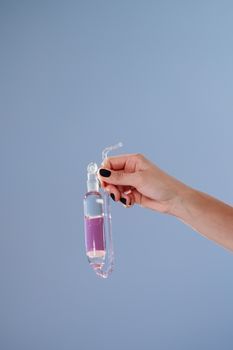
What are exosomes?
Exosomes are nano-sized particles that cells release to communicate with one another. They contain proteins, lipids and genetic material such as RNA. In skincare and aesthetics, exosome products are typically derived from cultured cells, and they are used because they are thought to influence processes linked to repair, inflammation and collagen production.
Exosome products used in aesthetic clinics are applied to the skin, often right after a procedure that opens micro-channels so the solution can reach deeper layers. Product origin, processing and regulation vary by country, so it is reasonable to ask which product a clinic uses.
What is an exosome treatment used for?
- Recovery support: after microneedling or lasers, to help skin calm sooner.
- Acne scars and texture: as part of a scar plan. See exosome therapy for acne scars.
- Redness and sensitivity: as a calming step in some plans.
- Overall skin quality: glow, hydration and elasticity over a series.
How does it compare with Rejuran or PDRN?
Rejuran and PDRN are polynucleotide-based boosters that are injected into the skin. Exosome solutions are more often applied after a procedure. All three aim to support skin repair, but they differ in composition, delivery and downtime. The choice depends on your concern and how much recovery time you have. Compare them in Rejuran vs PDRN vs exosome.
What happens during a session?
A typical session starts with cleansing and numbing cream if a needling or laser step is planned. The main procedure is performed, the exosome solution is applied, and a calming mask finishes the visit. The whole appointment often takes around 45–90 minutes.
Is it safe, and who should avoid it?
Exosome application is generally well tolerated, with most side effects linked to the paired procedure, such as redness, swelling or dryness. Irritation, breakouts and allergic reactions are possible. People who are pregnant, have active skin infection or have a history of severe allergic reactions should discuss this first. Pricing depends on the plan and is confirmed in writing at consultation via our Booking page.
At a glance
- What it is: Cell-derived vesicle solution used on the skin
- Usually paired with: Microneedling, lasers or other procedures
- Common goals: Recovery, texture, redness, skin quality
- Sessions: Often 3–5, about 2–4 weeks apart
- Downtime: Mostly depends on the paired procedure
- Evidence: Promising but still limited
Related questions
Are exosome treatments the same as stem cell treatments?
No. Exosomes are vesicles released by cells, not the cells themselves. Exosome skincare products do not contain living stem cells. They are sometimes derived from stem cell cultures, which is why the terms are confused. Ask the clinic about the specific product, its source and why it suits your skin.
Does an exosome treatment have downtime?
The exosome step itself usually adds little downtime. Most redness or swelling comes from the procedure it is paired with, such as microneedling or laser, and can last from a few hours to a few days. Your doctor will explain expected recovery for your specific plan.
How many exosome sessions are recommended?
Many plans involve around 3–5 sessions spaced two to four weeks apart, depending on the goal. Some people add a single session to support recovery after another treatment. Results build gradually, and results vary by individual. Progress is usually reviewed at each visit before further sessions are planned.
Before you book
This page is general information, not a diagnosis. Suitability, dose, number of sessions and expected results are decided by a doctor at consultation, and results vary by individual. Possible side effects include redness, swelling and bruising. Pricing is confirmed in writing before any treatment. See our medical disclaimer.
Still have a question?
A doctor at Re:berry Clinic Hongdae can answer it for your skin specifically. Multilingual consultation support is available.