
Laetigen is a type I collagen skin booster that Re:berry Hongdae may use for dehydrated skin when tightness and fine crepey lines are linked to thinning skin structure. It is typically given in 2–4 sessions about 2–4 weeks apart, with mild bumps for 1–3 days, and works best alongside barrier repair and hydration. Results vary by individual.
Re:berry Clinic Hongdae · Information reviewed for accuracy · Results vary by individual.
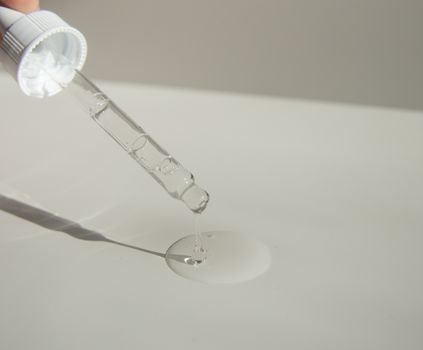
What is dehydrated skin, and where does collagen fit?
Dehydrated skin is skin that lacks water, not oil. It can feel tight, look dull, show fine lines that fade when you moisturize, and react easily. It is different from dry skin, which is a skin type with low oil production. Oily skin can be dehydrated too, which is common in people who over-cleanse in Seoul's humid summers.
Water in the skin is held partly by the barrier at the surface and partly by the dermis, where collagen and other structures form a matrix that binds moisture. When the dermis thins with age or sun damage, skin may hold water less effectively. That is where a collagen booster such as Laetigen may play a role. Read more about the concern on dehydrated skin.
Who is Laetigen a good match for?
- People whose dehydration comes with crepey texture or thin-looking skin
- Those in their 30s to 50s noticing loss of bounce along with dryness
- Skin that stays tight despite good moisturizers and sunscreen
- Patients who want to improve skin quality without adding visible volume
Laetigen may be less useful when dehydration is caused mainly by a damaged barrier from harsh products, in which case repairing the routine and a hydration-focused booster may come first.
What should I expect?
- Diagnosis: The doctor checks hydration, oil balance and skin thickness, and reviews your current routine.
- Numbing: Cream is applied for 20–40 minutes.
- Injection: Small amounts of collagen are distributed evenly across the cheeks, forehead or other planned areas.
- After: Tiny raised bumps are normal and usually settle in 1–3 days. Pinpoint bruising can take longer.
How many sessions and when will I notice a change?
A typical plan is 2–4 sessions spaced 2–4 weeks apart. Many patients report that skin feels more comfortable and looks smoother within a few weeks, with gradual improvement across the series. Maintenance every 4–6 months is often discussed. Results vary by individual and depend heavily on daily care, sleep and environment.
What does a combination plan look like?
HydraFacial first
A HydraFacial cleanses, exfoliates gently and infuses hydrating serums. It can prepare the skin before booster sessions or be used between them.
Re2O for hydration-led goals
When moisture and glow are the main priority, the doctor may alternate or replace Laetigen with Re2O. The differences are covered in Laetigen vs Re2O boosters.
Lifting devices
If firmness is also a concern, a device such as Thermage FLX may be planned, with the booster supporting skin quality.
How do I know whether my skin is dry or dehydrated?
A quick way to think about it: dry skin lacks oil, while dehydrated skin lacks water. The doctor will look at the pattern, but common clues include:
- Dehydrated: tight after cleansing, fine lines that soften after moisturizer, possible oiliness in the T-zone at the same time
- Dry: flaking, rough patches and a consistently matte surface with little shine
- Both: common in winter, after over-exfoliation or with long hours in air-conditioned or heated rooms
The answer changes the plan. Dehydration with thinning skin points toward structure-supporting options such as Laetigen, while dryness alone may respond better to barrier-focused care.
Side effects and precautions
- Bumps, redness or mild swelling for 1–3 days
- Bruising, especially if you take aspirin, fish oil or vitamin E
- Rare allergic reactions; tell the doctor about any collagen or gelatin allergy
- Postpone during pregnancy, breastfeeding or active skin infection
What are the alternatives?
- Re2O: skin component booster often chosen for hydration
- HydraFacial: no-downtime hydration and cleansing
- Rejuran Healer or PDRN: for barrier repair and texture
- LDM: ultrasound treatment often used for calming and hydration
Home habits that make the booster work harder
- Use a gentle, non-foaming cleanser and avoid very hot water
- Layer a humectant serum under a barrier cream with ceramides
- Run a humidifier during dry Seoul winters and in air-conditioned rooms
- Wear SPF 30+ daily
Pricing depends on area, product amount and number of sessions, and is confirmed in writing at consultation. Request a time on our Booking page.
Key facts
- What it adds: Type I collagen to support dermal structure
- Best for: Dehydrated skin that also feels thin or crepey
- Treatment time: About 30–40 minutes including numbing
- Downtime: Small bumps or redness, usually 1–3 days
- Sessions: Commonly 2–4, every 2–4 weeks
- Pairs with: HydraFacial, Re2O, barrier-focused home care
Frequently asked questions
Is a collagen booster better than a hydrating booster for dehydration?
It depends on the cause. If dehydration comes with thin, crepey skin, a collagen booster may help support structure. If the barrier is damaged or moisture is the main issue, a hydration-focused booster or barrier repair may be a better starting point. The doctor chooses after examining your skin.
Can I wear makeup after Laetigen?
Most doctors suggest waiting until the next day so injection points can close and the risk of irritation is lower. If you need coverage for an event, ask at your appointment. Schedule sessions a few days before important occasions to allow bumps to settle.
Will drinking more water fix dehydrated skin?
Drinking enough water supports general health, but skin hydration depends more on barrier function, humidity, cleansing habits and dermal structure. Topical care, a humidifier and, where appropriate, clinic treatments usually make more difference than extra water alone. A doctor can help identify which factor matters most for you.
Keep reading
Before you book
This page is general information, not a diagnosis. Suitability, dose, number of sessions and expected results are decided by a doctor at consultation, and results vary by individual. Possible side effects include redness, swelling and bruising. Pricing is confirmed in writing before any treatment. See our medical disclaimer.
Start with a diagnosis, not a package
Re:berry Clinic Hongdae designs your plan after a one-to-one skin assessment. Multilingual consultation support is available.