
There is no single best treatment for melasma. For many people, the most effective approach combines strict daily sun protection, doctor-guided topical care and gentle lasers such as laser toning or pico toning. At Re:berry Hongdae, the plan follows a diagnosis of melasma type and depth. Melasma is chronic, so control is the goal, and results vary by individual.
Re:berry Clinic Hongdae · Information reviewed for accuracy · Results vary by individual.
Why is there no single best option?
Melasma is a chronic pigment condition influenced by UV and visible light, hormones, heat, inflammation and genetics. It often appears as symmetrical brown patches on the cheeks, forehead or upper lip. Because several factors drive it, a single treatment rarely controls it alone. Aggressive treatments can even make it worse by triggering inflammation.
What does an effective melasma plan include?
1. Sun and light protection
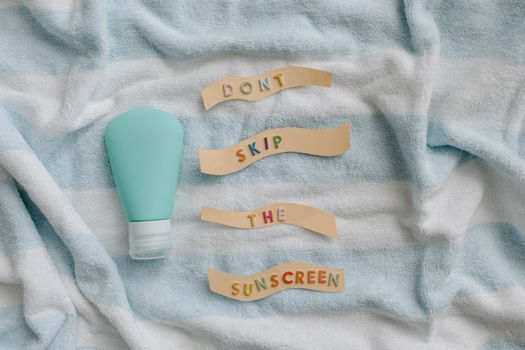
Daily broad-spectrum sunscreen, reapplied outdoors, is essential. Tinted sunscreens containing iron oxides may help block visible light. Hats and shade make a difference in a Seoul summer. See sun protection after treatment.
2. Gentle lasers
Low-fluence laser toning and pico toning break up pigment gradually with minimal heat. Sessions are spaced and reviewed to avoid rebound darkening.
3. Topical or oral support
Doctors may recommend brightening topicals or, in suitable cases, oral medication. These need medical supervision, especially if you are pregnant, breastfeeding or have other health conditions.
4. Barrier and redness care
Calming lasers and skin boosters may help when melasma coexists with redness or a weak barrier.
How long until melasma improves?
Many people notice gradual lightening over two to six months of consistent care. Maintenance sessions and continued sun protection help prevent relapse. Read what causes melasma to come back.
How is melasma diagnosed?
A doctor examines the pattern, color and borders of the pigment, sometimes using magnification or filtered light to estimate depth. Melasma can be confused with freckles, sun spots or acquired dermal pigmentation, each of which responds differently. Getting the diagnosis right is the first step toward an effective plan.
What should I avoid?
- Aggressive peels or high-energy lasers without a doctor's assessment
- Unregulated whitening creams, which may contain harmful ingredients
- Saunas and heat exposure during active treatment
- Skipping sunscreen on cloudy days
Book a diagnosis-first consultation via our Booking page. Pricing depends on the plan and number of sessions and is confirmed in writing at consultation.
At a glance
- Foundation: Daily broad-spectrum sunscreen
- In-clinic options: Laser toning, pico toning, calming lasers
- Topicals: Doctor-recommended brightening agents
- Sessions: Often 5–10 laser sessions plus maintenance
- Timeline: Typically 2–6 months for visible change
- Good to know: Heat, hormones and UV can trigger relapse
Related questions
Can melasma be cured permanently?
Melasma usually cannot be cured permanently, because triggers such as sunlight, heat and hormones continue to affect skin. It can often be controlled and significantly lightened with consistent care. Maintenance treatments and daily protection help keep it under control over the long term.
Is pico toning better than laser toning for melasma?
Neither is universally better. Laser toning has a long track record in Asia, while pico toning uses shorter pulses with less heat. Some patients respond better to one, and many plans alternate or combine them. The doctor decides based on your pigment depth and skin sensitivity.
Can I treat melasma while pregnant?
Melasma often appears or worsens during pregnancy. Most lasers and many topical agents are postponed until after pregnancy and sometimes until after breastfeeding. Gentle skincare and strict sun protection are usually recommended in the meantime. Discuss timing with your doctor.
Keep reading
Before you book
This page is general information, not a diagnosis. Suitability, dose, number of sessions and expected results are decided by a doctor at consultation, and results vary by individual. Possible side effects include redness, swelling and bruising. Pricing is confirmed in writing before any treatment. See our medical disclaimer.
Still have a question?
A doctor at Re:berry Clinic Hongdae can answer it for your skin specifically. Multilingual consultation support is available.