
Botox and filler are both injectables but do different jobs. Botox relaxes muscles to soften expression lines such as frown and crow's-feet lines, with results in about 3–14 days. Filler, usually hyaluronic acid, restores volume in folds, lips and hollows with an immediate effect. At Re:berry Hongdae, a doctor often combines both. Results vary by individual.
Re:berry Clinic Hongdae · Information reviewed for accuracy · Results vary by individual.
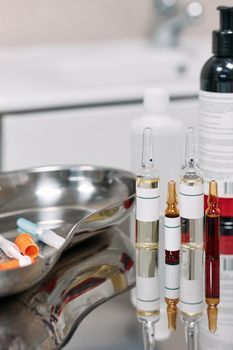
What is the main difference between Botox and filler?
Botox is a brand name for botulinum toxin type A, often used as a general term for similar toxin products. It is a neuromodulator: it temporarily blocks nerve signals to a targeted muscle so the muscle relaxes. Filler is a gel, most commonly hyaluronic acid (HA), placed under the skin to add volume, support or definition.
Put simply, Botox reduces movement, while filler replaces volume. That is why they treat different kinds of lines and are often used together.
Which lines does each treatment suit?
Lines that usually respond to Botox
- Forehead lines that appear when you raise your eyebrows
- Frown lines (the "11s") between the brows
- Crow's feet at the outer eyes
- Bunny lines on the nose and a dimpled chin
- Muscle-related width, such as a strong masseter for jaw slimming
Concerns that usually respond to filler
- Nasolabial folds and marionette lines caused by volume loss
- Under-eye hollows and tear troughs, in selected patients
- Thin lips, flat cheeks, a recessed chin or soft jawline
- Static lines that remain etched in even when your face is at rest
A quick test: if a line appears only when you move, Botox is often the first option. If it is visible at rest because the area looks sunken, filler is often considered.
How do the results compare?
Botox results develop gradually. Many people notice softening after 3–5 days, with the full effect around two weeks. Results commonly last 3–6 months. Read how long Botox takes to work for a closer timeline.
Filler shows an effect immediately, though swelling can exaggerate the result for the first few days. The final look usually settles within 1–2 weeks. HA fillers commonly last from about 6 to 18 months or more, depending on the product, area and individual metabolism. Results vary by individual.
How do downtime and side effects compare?
Botox
Downtime is minimal. Small bumps at injection points typically fade within an hour, and minor bruising is possible. Less common effects include headache, temporary heaviness of the brow or eyelid, and asymmetry. See the side effects of Botox.
Filler
Swelling, tenderness and bruising for a few days are common, especially in the lips and under the eyes. Lumps can occur and often settle. Rare but serious risks include infection and vascular occlusion, where filler blocks a blood vessel. HA filler can be dissolved with hyaluronidase if needed; see can filler be dissolved?
Botox vs filler at a glance
- What it is: Botox is a muscle-relaxing protein; filler is a volumizing gel.
- Suited to: Botox for dynamic lines; filler for volume loss and contours.
- Onset: Botox in days; filler immediately.
- Duration: Botox commonly 3–6 months; HA filler commonly 6–18 months or more.
- Appointment length: Botox around 10–20 minutes; filler around 20–45 minutes.
- Trip-friendliness: Botox is easier just before travel; filler needs a few days for swelling.
Can Botox and filler be combined?
Yes, and combinations are common. Deep frown lines, for example, may need Botox to stop the folding and a small amount of filler to soften the etched crease. Around the mouth, filler can restore support while a little Botox relaxes muscles that pull the corners down. Re:berry's philosophy is to design a combination of treatments rather than rely on one procedure, and both can often be done in the same visit if the doctor agrees.
For volume-related concerns, other options may also be part of the plan, such as skin boosters for crepey texture or lifting devices for sagging. Filler is not always the answer to a fold driven by laxity.
Which should you choose?
The right choice depends on what is causing your concern, not the name of the treatment. A doctor will look at your face at rest and in motion, check skin thickness and volume, and ask about previous injectables and upcoming travel. You may find that only one is needed, that both are useful, or that a different treatment fits better.
Consider Botox first if your main concern is lines that appear when you smile, frown or raise your brows. Consider filler first if you look hollow, tired or deflated even with a relaxed face. If you are unsure, start with a consultation and a conservative plan.
Who should avoid Botox or filler?
Both are generally avoided during pregnancy and breastfeeding. Botox is not recommended for people with certain neuromuscular disorders or those taking specific medications that interact with it. Filler is usually postponed if there is infection, active acne or cold sores near the area, or a history of severe allergic reactions. Always share your medical history, supplements and recent procedures.
Planning Botox or filler in Hongdae
If you are visiting Seoul, Botox fits easily into a short stay; for filler, allow a few days before flying or important photos. See aftercare after Botox and filler and can I fly after filler? Pricing depends on product, dose or syringe count and area, and is confirmed in writing at consultation. Book via our Booking page.
Key facts
- Botox works on: Muscles that create expression lines
- Filler works on: Lost volume, folds, contours and hollows
- Results seen: Botox: about 3–14 days; filler: immediately
- Lasts: Botox: commonly 3–6 months; HA filler: commonly 6–18 months or more
- Downtime: Botox: minimal; filler: swelling or bruising for a few days
- Reversible: HA filler can be dissolved; Botox wears off on its own
Frequently asked questions
Is Botox or filler better for forehead lines?
Forehead lines that appear when you raise your brows usually respond to Botox. If deep lines remain visible at rest, a doctor may add a small amount of filler or a skin booster. Too much forehead Botox can cause brow heaviness, so the dose is tailored carefully.
Which lasts longer, Botox or filler?
Hyaluronic acid filler typically lasts longer, commonly around 6–18 months or more depending on the product and area. Botox commonly lasts 3–6 months. Longevity varies with metabolism, muscle strength, lifestyle and the specific product used. Your doctor can explain the expected duration for your plan.
Can I get Botox and filler on the same day?
Often, yes. Many patients have both in one appointment when they treat different concerns or the same area in different ways. The doctor decides the sequence and dose. Expect the filler area to swell slightly while Botox takes days to work.
Is Botox or filler better before a trip?
Botox is usually easier before travel because downtime is minimal, though results take a few days to show. Filler can cause swelling and bruising for several days, so schedule it earlier in your stay to allow time for it to settle before flying.
Keep reading
Before you book
This page is general information, not a diagnosis. Suitability, dose, number of sessions and expected results are decided by a doctor at consultation, and results vary by individual. Possible side effects include redness, swelling and bruising. Pricing is confirmed in writing before any treatment. See our medical disclaimer.
Start with a diagnosis, not a package
Re:berry Clinic Hongdae designs your plan after a one-to-one skin assessment. Multilingual consultation support is available.