
For an appointment at Re:berry Hongdae, bring a valid photo ID such as your passport or ARC, a list of medications and supplements, any previous treatment records, a payment card, and sunscreen and a hat for after laser treatments. Arrive with clean or minimal makeup skin, and allow time for consultation before treatment.
Re:berry Clinic Hongdae · Information reviewed for accuracy · Results vary by individual.
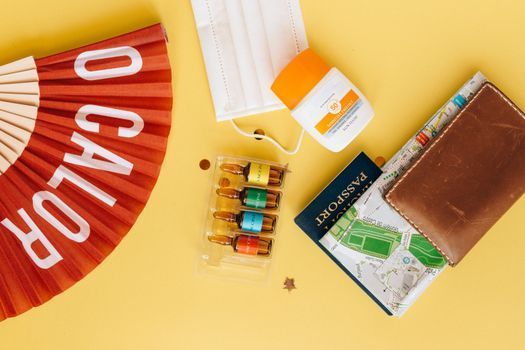
Why does what you bring matter?
A skin treatment appointment is a medical visit. Having the right documents and information on hand helps the doctor make a safe plan, speeds up registration and reduces the chance of postponing treatment. This checklist is designed for visitors and residents coming to Re:berry Hongdae, but most points apply to any Korean skin clinic.
Essential documents
- Photo ID: your passport if you are visiting, or your Alien Registration Card (ARC) if you live in Korea. Clinics need to verify identity for medical records.
- Booking confirmation: keep the message or screenshot from the channel you booked through on our Booking page.
- Address and route: save the branch address from Location & Hours in a Korean map app such as Naver Map or Kakao Map, since some international map apps are less accurate in Korea.
- Accommodation details: the name and address of where you are staying can be useful for registration forms.
Medical information to bring
Doctors ask about medical history to decide which treatments are suitable and how to adjust them. Prepare a short note, ideally in English or with a translation, covering:
- Medications: including blood thinners, isotretinoin, antibiotics, hormonal treatments and anything applied to the skin, such as retinoids.
- Supplements: fish oil, vitamin E, ginkgo and similar supplements can increase bruising.
- Allergies: especially to anesthetics, lidocaine, antibiotics or previous filler.
- Conditions: pregnancy or breastfeeding, autoimmune disease, keloid tendency, cold sores, pacemakers or metal implants.
- Previous treatments: the product name, date and area of past filler, Botox, threads, lasers or surgery. Photos or receipts help.
If you take isotretinoin, read can I get treatments if I take isotretinoin? before booking.
Payment
- A credit or debit card. Many foreign cards work in Korea, but it is worth telling your bank you are traveling.
- A backup card or some cash in Korean won, in case a card is declined.
- Note that the VAT refund for foreign patients' cosmetic procedures ended on 31 December 2025, so no tax-refund paperwork is needed for treatments.
See paying at the clinic for receipts and payment details. Your treatment cost is confirmed in writing at consultation, before treatment.
What to wear
- Comfortable clothes: a top that is easy to change out of, especially for neck, chest or body treatments such as ONDA Body.
- Hair: a hair tie or clip to keep hair away from your face.
- Minimal makeup: you will usually cleanse before treatment, so lighter makeup saves time.
- No contact lenses if you are having treatment near the eyes; bring glasses instead.
- Minimal jewelry: remove earrings and necklaces for face and neck treatments.
What to bring for aftercare
Many treatments leave the skin more sensitive for a short time. Packing a small aftercare kit helps you continue your day comfortably:
- Broad-spectrum sunscreen and a wide-brimmed hat or cap
- A face mask, useful for covering redness and protecting skin from dust
- Sunglasses for laser treatments around the eyes
- A water bottle
- A light scarf if you have had neck or jawline treatment and prefer to cover it
Read sun protection after treatment for advice on reapplying sunscreen in Seoul's strong summer sun.
Questions to prepare in advance
Write down what you want to ask so nothing is forgotten during the consultation:
- What is causing my concern, and what are the treatment options?
- How many sessions are typically needed, and how far apart?
- What downtime should I expect, and is it safe to fly afterward?
- What products or devices will be used?
- What should I do if I have a reaction after I return home?
Our list of questions to ask at a consultation has more ideas.
What to leave at home
- Large luggage, if possible; store it at your hotel or in station lockers.
- Active skincare such as retinoids or acid peels in the days just before laser or injections, unless the doctor says otherwise.
- Plans for a sauna, jjimjilbang or intense workout straight afterward.
Extra items for specific treatments
Injectables such as Botox or filler
Bring the name and date of any previous injectables in the same area. If you bruise easily, a concealer for later in the day can be useful. Avoid booking a fitness class or massage straight afterward.
Lasers and toning
Pack sunscreen, a hat and sunglasses. If you have had cold sores, mention it, since some lasers can trigger them and the doctor may advise preventive medication.
Lifting and thread procedures
Bring a soft scarf or mask and plan a quiet evening. Some people like to have soft foods available at their accommodation for the first day or two after threads.
Body treatments
Wear loose clothing and underwear you are comfortable being treated around, as you may change into a gown.
How early should you arrive?
Arriving a little early gives time for registration, consent forms and, for some treatments, numbing cream. If you are coming from the airport, AREX connects Incheon and Gimpo airports with Hongik University Station. Multilingual consultation support is available; confirm languages when booking. For more first-visit tips, read your first visit to a Korean skin clinic.
Key facts
- Essential: Passport or ARC, payment card, phone with booking confirmation
- Medical: Medication and supplement list, allergies, previous treatment records
- Aftercare: Sunscreen, hat or mask, clean hair tie
- Wear: Comfortable clothing; easy-to-remove top for body treatments
- Skip: Heavy makeup, jewelry, contact lenses for eye-area treatments
- Arrive: A little early for registration and forms
Frequently asked questions
Do I need my passport for a skin clinic in Korea?
Clinics generally require valid photo ID to register patients and keep medical records. Visitors usually use a passport, while residents can use an Alien Registration Card. A photo of your passport may not be accepted, so bring the original document.
Should I wear makeup to my appointment?
Light or no makeup is best. Most treatments start with cleansing, and arriving with minimal makeup saves time, especially if numbing cream is needed. Bring your own products if you want to reapply afterward, but check first whether makeup is allowed after your specific treatment.
Can I bring a friend to my appointment?
Many clinics allow a friend or family member to accompany you, particularly for translation or support. Space in treatment rooms may be limited, so they might wait in the lounge during the procedure. Mention it when booking so the clinic can prepare.
What if I forget my medication list?
You can still attend, but you may need to look up the names of your medications and supplements on your phone. If something important is unclear, such as blood thinners or isotretinoin, the doctor may postpone certain treatments for your safety.
Keep reading
Before you book
This page is general information, not a diagnosis. Suitability, dose, number of sessions and expected results are decided by a doctor at consultation, and results vary by individual. Possible side effects include redness, swelling and bruising. Pricing is confirmed in writing before any treatment. See our medical disclaimer.
Start with a diagnosis, not a package
Re:berry Clinic Hongdae designs your plan after a one-to-one skin assessment. Multilingual consultation support is available.