
Ultherapy Prime and Thermage FLX are both FDA-cleared, non-surgical lifting devices, but they work differently. Ultherapy Prime uses focused ultrasound to lift deeper layers such as the SMAS, while Thermage FLX uses radiofrequency to tighten skin and improve texture. At Re:berry Hongdae they are often combined. Results vary by individual.
Re:berry Clinic Hongdae · Information reviewed for accuracy · Results vary by individual.
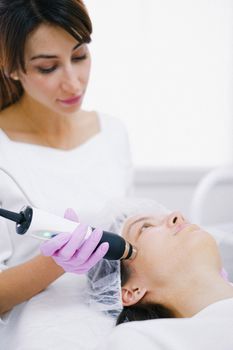
What is the main difference?
The key difference is the type of energy and the depth it reaches. Ultherapy Prime delivers micro-focused ultrasound to precise points, including the SMAS layer, the same supportive layer tightened in a surgical facelift. Thermage FLX delivers monopolar radiofrequency that heats a broader volume of skin and the tissue just beneath it, encouraging collagen to contract and remodel.
In simple terms, Ultherapy Prime is usually chosen to lift, and Thermage FLX is usually chosen to tighten and smooth. Many faces need a little of both.
How does each device work?
Ultherapy Prime
Ultherapy Prime is the newer generation of the Ulthera platform. Its real-time imaging shows the tissue layers on screen so energy can be placed at chosen depths. Each pulse creates tiny thermal coagulation points that the body repairs with new collagen. For details, visit our Ultherapy Prime page.
Thermage FLX
Thermage FLX uses a treatment tip that delivers radiofrequency evenly across the skin while cooling the surface. The heat causes immediate collagen contraction and then gradual remodeling. It is commonly used on the face, around the eyes with a dedicated tip, and on the neck and body. Learn more on our Thermage FLX page.
Comparison by criteria
Typical concerns treated
- Ultherapy Prime: jowls, sagging cheeks, a softened jawline, a heavy brow and submental laxity.
- Thermage FLX: crepey skin, fine lines, loss of firmness, enlarged pores and upper or lower eyelid laxity.
Depth of action
- Ultherapy Prime: targeted, point-by-point heating at selected depths, including the SMAS.
- Thermage FLX: volumetric heating of the dermis and tissue just beneath it.
Comfort
- Ultherapy Prime: often described as deep, sharp heat, especially along the jawbone and temples.
- Thermage FLX: brief bursts of intense heat followed by cooling. See Is Thermage FLX painful?
Comfort varies widely between individuals, and both can be managed with numbing and adjustments during treatment.
Downtime and side effects
Both usually allow a return to normal activities the same day. Ultherapy Prime may cause tenderness, mild swelling, small bruises or temporary numb patches for days to weeks. Thermage FLX may cause redness, mild swelling and, rarely, small blisters or surface irregularities. Serious side effects are uncommon with either device when treatment is planned by a doctor.
When results appear and how long they last
Thermage FLX may show some immediate tightening, with further change over two to six months. Ultherapy Prime results usually develop over two to three months. Both are commonly cited as lasting around a year or more, depending on age and skin condition. Many patients repeat treatment about once a year. Results vary by individual.
How long does each appointment take?
Ultherapy Prime for a full face and neck typically takes about 60–90 minutes of treatment time, depending on shot count and areas. Thermage FLX for the face often takes around 45–90 minutes, with the eye area adding time. Plan extra time for consultation, photos, numbing cream and cleansing. If you are having both on the same day, block out at least half a day so you are not rushed.
Who is likely to prefer Ultherapy Prime?
- people whose main concern is gravity-related sagging in the lower face;
- those who want a more defined jawline and neck angle;
- patients with enough tissue thickness for deep lifting.
Who is likely to prefer Thermage FLX?
- people with thinner skin or crepey texture who want firmness without volume loss;
- those concerned about the eye area, where Thermage FLX has a dedicated eye tip;
- patients who want smoother texture and pore improvement alongside tightening.
If you have thin skin or a slim face, our Ultherapy for thin skin answer explains why the doctor may adjust or favor radiofrequency.
Can I have both?
Yes. Combining the two is common because they address different layers: Ultherapy Prime for deeper lift and Thermage FLX for skin tightening. Some patients have both on the same day, while others space them a few weeks apart. Our same-day Ultherapy and Thermage answer explains the considerations. This reflects Re:berry's approach of designing combinations around a diagnosis rather than relying on one device.
What about Sofwave and other alternatives?
Sofwave is another FDA-cleared ultrasound device that heats the mid-dermis in a parallel pattern, often chosen for fine lines and firmness with short sessions. ONDA, threads and fillers are other options depending on whether the issue is fat, structure or volume. Compare them in Ultherapy Prime vs Sofwave.
Common misconceptions
- "More shots always means better results." Shot count should match your face and goals; more energy is not automatically better and can increase discomfort.
- "These devices melt fat." Neither is primarily a fat-reduction treatment, although some patients notice a slimmer look as tissue tightens. If fat is the concern, ONDA or contour injections may be discussed.
- "One session stops aging." Both stimulate collagen, but aging continues, which is why maintenance is common.
How do I decide?
The most reliable way to choose is a face-to-face assessment. At consultation, the doctor checks skin thickness, laxity, fat distribution and your goals, then explains which device or combination fits. Pricing depends on shot count, tip size and areas, and is confirmed in writing before treatment. See Location & Hours and request an appointment via the Booking page.
Key facts
- Ultherapy Prime: Micro-focused ultrasound with imaging; deeper lift
- Thermage FLX: Monopolar radiofrequency; skin tightening and texture
- Downtime: Both usually minimal
- Sessions: Typically 1 session each, repeated about yearly
- Results seen: Gradually over 2–6 months
- Often combined: Yes, for both lift and skin quality
Frequently asked questions
Which lasts longer, Ultherapy Prime or Thermage FLX?
Both are commonly cited as lasting around a year or longer, and many patients repeat them annually. How long results last depends more on your age, skin quality, weight stability and sun protection than on the device alone. Neither stops the natural aging process, so maintenance helps keep improvements stable over time.
Which one is better for the eyes?
Thermage FLX has a dedicated eye tip designed for treating eyelid skin, so it is often chosen for crepey upper or lower lids. Ultherapy Prime can be used to lift the brow area, which may make the upper eyelids look more open. The doctor will recommend an approach based on what you want to change.
Is one more painful than the other?
Many patients feel Ultherapy Prime as a deeper, sharper heat along bony areas, while Thermage FLX feels like quick intense heat followed by cooling. Comfort varies a lot between people. Numbing, energy adjustments and pacing can help. Tell the practitioner during treatment if a zone feels too strong.
Can I fly home after these treatments?
Most people can fly the day after either treatment because there are no open wounds and downtime is minimal. Mild swelling may feel slightly more noticeable on a long flight. Stay hydrated and avoid alcohol on board. Our flying after treatment guide covers practical tips for international patients.
Keep reading
Before you book
This page is general information, not a diagnosis. Suitability, dose, number of sessions and expected results are decided by a doctor at consultation, and results vary by individual. Possible side effects include redness, swelling and bruising. Pricing is confirmed in writing before any treatment. See our medical disclaimer.
Start with a diagnosis, not a package
Re:berry Clinic Hongdae designs your plan after a one-to-one skin assessment. Multilingual consultation support is available.