
Ultherapy can be suitable for thin skin, but it needs careful planning. Doctors often adjust depths, energy and line count to reduce the risk of overtreatment, especially in slim faces with little fat. Ultherapy Prime's real-time imaging helps show tissue layers. At Re:berry Hongdae, alternatives such as Sofwave or boosters may be suggested. Results vary by individual.
Re:berry Clinic Hongdae · Information reviewed for accuracy · Results vary by individual.
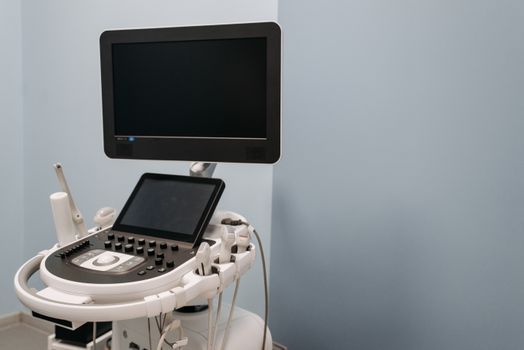
Why is thin skin a concern?
Ultherapy uses micro-focused ultrasound to create tiny heat points at set depths, typically 1.5, 3.0 and 4.5 mm. In thin skin or slim faces with little fat, the distance between layers is smaller, and deeper energy may reach closer to bone or nerves. Some people also worry about losing facial fat, which can make a slim face look gaunt if treatment is too aggressive.
How do doctors adjust treatment?
- Using imaging to check tissue thickness before placing each line
- Choosing shallower transducers in thin areas
- Lowering energy or reducing the number of lines
- Avoiding areas where volume loss would be noticeable, such as the upper cheeks
- Combining with skin-quality treatments instead of relying on lifting alone
What are the alternatives?
- Sofwave: works at about 1.5 mm in the mid-dermis with built-in cooling; see Ultherapy Prime vs Sofwave
- Thermage FLX: radiofrequency tightening often chosen for skin texture
- Skin boosters: Laetigen or Rejuran Healer to support skin density
Is thin skin always a problem?
No. Thin skin is common and many people with it receive Ultherapy with careful planning. The deciding factors are your overall tissue thickness, fat volume, degree of laxity and goals. The doctor will explain why a given plan suits your face. Pricing depends on area and shot count and is confirmed in writing at consultation.
What should I ask at consultation?
- How thick is my tissue in each area, and how does that change the plan?
- Which depths and how many lines will be used, and where will you avoid?
- Would Sofwave, Thermage FLX or a booster suit my goals better?
- How will you protect volume in my cheeks and temples?
- What is the expected timeline, and when should I repeat?
Clear answers to these questions help you understand the reasoning behind the plan and decide with confidence. Results vary by individual.
At a glance
- Short answer: Often possible with adjusted planning
- Main concern: Overheating thin tissue or reducing volume in slim faces
- Helpful feature: Real-time imaging on Ultherapy Prime
- Alternatives: Sofwave, Thermage FLX, skin boosters
- Decision: Made after a doctor's assessment
Related questions
Will Ultherapy make my face look gaunt?
When planned carefully, Ultherapy is not intended to cause noticeable volume loss. In slim faces, doctors may avoid certain areas or reduce energy. Discuss this concern openly at consultation so the plan reflects your face shape. Bringing older photos can help show your natural face shape.
How do I know if my skin is thin?
Signs include visible small veins, crepey texture and easy bruising, but only an examination can confirm it. Ultherapy Prime's imaging can show tissue layers. The doctor will assess thickness and fat before recommending a plan. Plans are then adjusted to match your tissue.
Is Sofwave better than Ultherapy for thin skin?
Sofwave works at a single mid-dermal depth with cooling, which some doctors prefer for thin skin or slim faces. Ultherapy may still be suitable with adjusted settings. The choice depends on whether lift or skin tightening is your main goal.
Keep reading
Before you book
This page is general information, not a diagnosis. Suitability, dose, number of sessions and expected results are decided by a doctor at consultation, and results vary by individual. Possible side effects include redness, swelling and bruising. Pricing is confirmed in writing before any treatment. See our medical disclaimer.
Still have a question?
A doctor at Re:berry Clinic Hongdae can answer it for your skin specifically. Multilingual consultation support is available.