
Beauty IV drips are intravenous infusions of nutrients or antioxidants given over roughly 20 to 60 minutes. At Re:berry Hongdae, options discussed include glutathione, thioctic acid (the "Cinderella" drip) and vitamin formulas such as vitamin C and B complex. They are a supportive add-on rather than a skin treatment on their own, and responses vary.
Re:berry Clinic Hongdae · Information reviewed for accuracy · Results vary by individual.
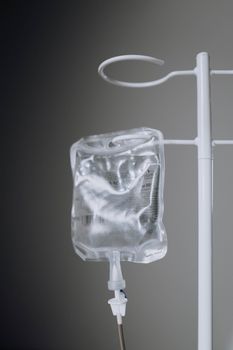
What is a beauty IV drip?
A beauty IV drip is an infusion given through a small cannula in a vein, usually in the arm or back of the hand. The fluid carries one or more active ingredients such as antioxidants or vitamins. Because the ingredients enter the bloodstream directly, they bypass digestion, which is why some people choose IV over oral supplements.
In Korean skin clinics, IV drips are commonly offered as a wellness add-on while patients relax, often on the same day as a laser or booster. They are not a substitute for diagnosis-led skin treatment, sun protection or a good skincare routine.
Which IV drips are available?
Glutathione drip
Glutathione is an antioxidant the body produces naturally. It is popular in Asia for perceived brightening and for general antioxidant support. Some small studies suggest it may influence melanin production, but the evidence for skin lightening is limited and inconsistent, and no major regulator has approved IV glutathione for skin lightening. At Re:berry, it is discussed as a supportive option rather than a pigment treatment.
Cinderella drip (thioctic acid)
The "Cinderella" drip is a Korean nickname for an infusion based on thioctic acid, also called alpha-lipoic acid. It is an antioxidant involved in energy metabolism. Clinics often market it for fatigue and overall wellbeing. Thioctic acid can lower blood sugar in some people, so people with diabetes or those taking glucose-lowering medication need medical review first.
Vitamin drips
Vitamin formulas commonly include vitamin C, B-complex vitamins or both. Vitamin C plays a role in collagen formation and antioxidant defense, and B vitamins are involved in energy metabolism. High-dose IV vitamin C requires screening for G6PD deficiency in some patients and caution in people with a history of kidney stones or kidney disease.
For a side-by-side explanation, see What is the difference between glutathione and Cinderella IV?
Who might consider an IV drip?
- Travelers who want a restful add-on during a skin-treatment visit
- People combining drips with brightening treatments such as laser toning
- Adults who feel run-down and have discussed it with a doctor
If dull or uneven tone is your main concern, the most reliable results usually come from treating the skin itself. Our Dull and Uneven Skin Tone page explains those options, and Beauty IV Drips for Dull and Uneven Skin Tone covers where drips fit in.
Who should avoid beauty IV drips?
A doctor reviews your health history before any infusion. Drips are generally avoided or need special caution if you:
- Are pregnant or breastfeeding
- Have kidney disease, heart failure or conditions that require fluid restriction
- Have G6PD deficiency (particularly for high-dose vitamin C)
- Have diabetes or take glucose-lowering medication (particularly for thioctic acid)
- Have known allergies to any ingredient
- Have asthma, as some people report sensitivity to glutathione
Bring a list of your medications and supplements to the appointment.
What happens during an IV drip session?
- Medical screening: The doctor checks your history and current medications and confirms the formula.
- Cannula placement: A nurse inserts a small cannula into a vein.
- Infusion: The drip runs for about 20 to 60 minutes while you rest. Staff monitor how you feel.
- Removal: The cannula is removed and pressure is applied to reduce bruising.
Some people notice a sulfur-like smell or taste during thioctic acid infusion, a cool sensation in the arm, or mild nausea. Tell staff right away if you feel dizzy, itchy, short of breath or unwell.
What are the side effects?
Most side effects are minor: bruising or tenderness at the needle site, temporary lightheadedness and occasional nausea. Less commonly, vein irritation, allergic reactions or low blood sugar can occur. Serious reactions are rare when screening is done properly, which is why drips are given in a medical setting rather than at home.
How often are IV drips given?
There is no universal schedule. Clinics commonly describe weekly to monthly sessions, but frequency should be set by a doctor based on the formula and your health. More is not better, and there is little evidence that very frequent drips improve skin further. Results vary by individual.
IV drip or oral supplement?
A common question is whether an IV drip offers anything a tablet does not. IV delivery raises blood levels of some nutrients, such as vitamin C, higher than oral doses can, but higher levels do not automatically mean better skin. For people with a normal diet and no deficiency, the practical difference for skin appearance is uncertain. The decision is best made with a doctor who can weigh your health history, goals and budget, rather than on marketing claims.
Combining a drip with skin treatments
Because drips have no downtime, they are easy to pair with lasers, HydraFacial or skin boosters on the same visit. The order depends on the plan; your doctor will advise. Pricing depends on formula and plan and is confirmed in writing at consultation. For directions see Location & Hours, and request a time on the Booking page.
Key facts
- Session time: Typically 20 to 60 minutes depending on formula
- Downtime: None for most people; minor bruising at the IV site
- Common formulas: Glutathione, thioctic acid (Cinderella), vitamin C, B vitamins
- Frequency: Often discussed as weekly to monthly, per doctor advice
- Evidence: Limited and mixed for skin brightening claims
- Best for: A supportive add-on alongside skin treatments
Frequently asked questions
Do glutathione drips whiten skin?
Evidence is limited. Some small studies suggest glutathione may affect melanin pathways, but results are inconsistent and effects, if any, tend to fade after stopping. It is best viewed as a supportive add-on. For pigmentation such as melasma or sun spots, laser and topical treatments are more established.
Why is it called a Cinderella drip?
"Cinderella" is a Korean marketing nickname for an infusion based on thioctic acid (alpha-lipoic acid). The name suggests a quick refresh. It does not describe a specific medical effect, and the formula can vary between clinics, so ask what is actually in the bag.
Can I get an IV drip on the same day as a laser?
Usually yes, as IV drips have no recovery time and do not affect the skin surface. Your doctor will confirm suitability based on your health history and the other treatments planned that day, and may adjust timing if you are feeling unwell or have not eaten.
Should I eat before an IV drip?
Having a light meal beforehand is generally advised, especially for thioctic acid, which can lower blood sugar in some people. Arriving hydrated also makes vein access easier. Follow any specific instructions given when you book. If you feel faint around needles, tell staff so you can lie back during cannula placement.
Keep reading
Before you book
This page is general information, not a diagnosis. Suitability, dose, number of sessions and expected results are decided by a doctor at consultation, and results vary by individual. Possible side effects include redness, swelling and bruising. Pricing is confirmed in writing before any treatment. See our medical disclaimer.
Start with a diagnosis, not a package
Re:berry Clinic Hongdae designs your plan after a one-to-one skin assessment. Multilingual consultation support is available.