
A patch test is a small trial of a product, ingredient or treatment on a limited area of skin to check for allergy, irritation or unexpected reactions before a full treatment. At Re:berry Hongdae, a patch or test spot may be suggested for sensitive skin, darker skin tones or people with a history of reactions.
Re:berry Clinic Hongdae · Information reviewed for accuracy · Results vary by individual.
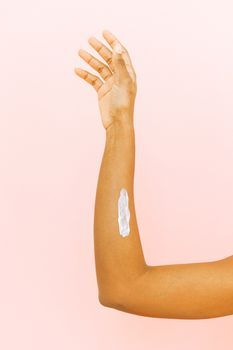
How does a patch test work?
A small amount of a product is applied to a discreet area, such as behind the ear, on the inner arm or along the jawline. You then watch for redness, itching, swelling or bumps. For lasers, a test spot involves treating a small area with the planned settings and checking the skin's response over the following days or weeks.
When do clinics use patch tests?
- New topical products: Peel solutions, brightening creams or post-care products.
- Numbing cream: If you have reacted to local anesthetics before.
- Lasers on darker or reactive skin: To check for post-inflammatory hyperpigmentation. See is laser treatment safe for darker skin?
- Known allergies: For example, fish allergy and salmon-derived boosters may call for a different product rather than a test.
How long does it take?
Irritant reactions often appear within minutes to a few hours, while allergic reactions can take 24 to 48 hours or more. Laser test spots may need about one to four weeks to show pigment changes. This is why a patch test is easier to arrange when you have time before your main treatment, which may be difficult on a short trip.
What do the results mean?
No reaction suggests the product or setting is likely to be tolerated, though it does not fully rule out a reaction on a larger area. Redness, itching or swelling suggests sensitivity, and the doctor may choose another product or approach. If you see severe swelling or difficulty breathing after any product, seek urgent medical care.
How can I do a patch test at home?
For new skincare, apply a small amount to the same spot once or twice daily for several days and watch for reactions before using it on your face. This is especially helpful after treatments, when skin is more sensitive. See what skincare should I use after laser? and ask about testing when you book through our Booking page.
At a glance
- Purpose: Check for allergy, irritation or pigment reactions
- Common uses: New skincare, peels, numbing cream, lasers
- Typical wait: From minutes to about 48 hours, or longer for laser
- Who benefits: Sensitive skin, allergies, darker skin tones
- Good to know: A clear test lowers, but does not remove, risk
Related questions
Do I need a patch test before Botox or filler?
Patch tests are not routinely used for Botox or hyaluronic acid fillers, because reactions are uncommon and testing is not reliable for these products. Instead, the doctor reviews your allergy and medical history. Tell the clinic about previous reactions to any injectables or anesthetics.
Can I have a patch test on the same day as treatment?
A quick test for irritant reactions to a topical product may be done on the same day. Allergy tests and laser test spots usually need more time, from a couple of days to several weeks. Plan ahead if you have sensitive skin or a short stay in Seoul.
Does a negative patch test mean I will not react?
No. A clear patch test lowers the likelihood of a reaction but cannot rule it out completely, because larger areas, different skin sites and repeated exposure can respond differently. Follow aftercare advice and contact the clinic if you notice unusual redness or swelling.
Keep reading
Before you book
This page is general information, not a diagnosis. Suitability, dose, number of sessions and expected results are decided by a doctor at consultation, and results vary by individual. Possible side effects include redness, swelling and bruising. Pricing is confirmed in writing before any treatment. See our medical disclaimer.
Still have a question?
A doctor at Re:berry Clinic Hongdae can answer it for your skin specifically. Multilingual consultation support is available.