
A safe skin clinic in Korea is a registered medical institution where licensed doctors diagnose and supervise treatment, genuine approved products and devices are used and can be shown to you, and risks are explained before you sign consent. Re:berry Hongdae follows a diagnosis-first approach with written plans. Use the checklist below wherever you book.
Re:berry Clinic Hongdae · Information reviewed for accuracy · Results vary by individual.
Why does clinic choice matter so much in Korea?
Seoul has a very large number of aesthetic clinics, and competition keeps many treatments accessible. That variety is useful, but it also means quality and practices differ. Injectables and energy devices are medical procedures: technique, product authenticity and aftercare all affect safety. A few checks before booking can make a real difference.
1. Is the clinic a registered medical institution with licensed doctors?
In Korea, medical procedures such as injections and laser treatments must be performed by or under the supervision of a licensed physician at a registered medical institution. Things to check:
- The clinic name ends in a medical designation such as 의원 (clinic) and has a physical, registered location
- You meet a doctor for consultation before treatment, not only a coordinator
- The doctor, not a salesperson, decides whether a treatment is suitable
- Clinics that actively attract foreign patients are generally expected to be registered with the government for that purpose; you can ask about this
It is also worth knowing the difference between a board-certified dermatology specialist and a general physician who offers dermatology services. Both can be licensed to practice, but the titles differ. See Is a dermatologist the same as a skin clinic in Korea? and How do I check if a Korean clinic is licensed?
2. Are products and devices genuine?
Counterfeit or diluted products are a real concern in the global aesthetics market. Reasonable requests include:
- Injectables: ask to see the sealed box or vial before it is opened, with the product name, lot number and expiry date
- Toxin and filler: ask which brand and how many units or syringes are planned
- Energy devices: for treatments such as Ultherapy or Thermage, ask how genuine tips or cartridges are verified and how shot counts are shown
- Single-use items: needles and cannulas should be opened fresh in front of you
A clinic confident in its supplies will usually be happy to show you. More on this is in Do Korean clinics use genuine products?
3. Is informed consent explained properly?
Informed consent means you understand what will be done, why, what the alternatives are, and what could go wrong, before you agree. Good practice includes:
- A clear explanation of the expected benefits in realistic terms, using words like "may" and "typically"
- Common side effects such as swelling, bruising or redness, and rare but serious risks
- Contraindications, such as pregnancy, certain medications or active infections
- A written consent form you can read, with time to ask questions
- Language support so you fully understand; at Re:berry Hongdae, multilingual consultation support is available, so confirm languages when booking
4. Is the plan built on diagnosis or sales?
A safe plan starts from your skin and medical history, not a promotion. Signs of a diagnosis-led clinic:
- The doctor asks about medications, allergies, past treatments and pregnancy
- Some treatments may be declined or postponed if unsuitable
- The plan explains why each step is chosen and in what order
- Pricing is confirmed in writing before payment
Re:berry's philosophy, applied across its branches, is diagnosis before packages, combination planning instead of single procedures, and stable improvement over short-lived change.
5. What happens after treatment?
- You receive written aftercare instructions
- You know how to contact the clinic if something worries you
- Follow-up checks are offered where relevant, such as after toxin or filler
- The clinic can provide records if you continue care elsewhere
6. Is the environment clean and organized?
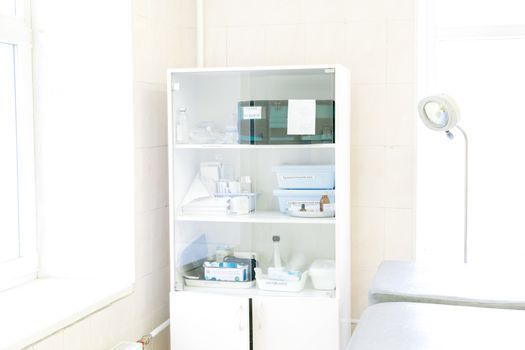
Hygiene is easy to observe. Treatment rooms should look clean and uncluttered, staff should wash hands or use sanitizer and wear gloves for injections, and the skin should be cleansed and disinfected before needles are used. Ask how devices are cleaned between patients if you are unsure.
What are the red flags?
- No doctor consultation, or the doctor appears only briefly at the end
- Pressure to pay for large packages on the same day
- Prices that seem far below the market without explanation
- Refusal to show product packaging or device tips
- Promises of guaranteed, permanent or painless results
- Treatment offered in non-medical settings such as hotel rooms or salons
- Before-and-after photos used as proof of what you will get
Low prices on their own are not proof of poor quality, but they are a reason to ask more questions. See Are cheap treatments in Korea safe?
Questions to ask before you book
- Will I see a doctor before treatment is decided?
- Which exact product or device will be used, and can I see it?
- What are the common and rare risks for me?
- What is included in the quoted price?
- Who do I contact if I have a problem after I leave Korea?
To start with a consultation, see Location & Hours and use our Booking page. Results vary by individual, and medical decisions follow a doctor's consultation.
Key facts
- Doctor: Treatment decided by a licensed physician after consultation
- Products: Sealed, approved products; ask to see the box or vial
- Devices: Genuine tips and cartridges; ask how they are verified
- Consent: Written explanation of risks, alternatives and aftercare
- Pricing: Clear written quote before payment
- Red flags: Pressure selling, no doctor consultation, unclear products
Frequently asked questions
How can I tell if a clinic in Korea is legitimate?
Look for a registered medical institution with a physical address, a doctor-led consultation, clear written pricing and consent, and willingness to show product packaging. Be cautious of treatments offered outside a clinic or without a doctor present. Asking direct questions is normal and a reputable clinic will answer them.
Is it safe to get treatments on a short trip?
Many treatments have little downtime and can be done safely during a trip if they are planned properly. Choose options with realistic recovery times, leave a buffer before flying, and make sure you know how to contact the clinic after you return home. The doctor can advise what fits your dates.
Should I trust online reviews?
Reviews can give a sense of service and communication, but they cannot tell you whether a treatment suits your skin or confirm product authenticity. Use them alongside your own checks on licensing, consultation quality, consent and transparency rather than as the main deciding factor.
What should I do if I have a complication after going home?
Contact the treating clinic as soon as possible with photos and a description, and see a local doctor if symptoms are urgent, such as increasing pain, skin color changes or vision problems after injections. Keep your receipts, consent form and product details, as they help any doctor who treats you.
Keep reading
Before you book
This page is general information, not a diagnosis. Suitability, dose, number of sessions and expected results are decided by a doctor at consultation, and results vary by individual. Possible side effects include redness, swelling and bruising. Pricing is confirmed in writing before any treatment. See our medical disclaimer.
Start with a diagnosis, not a package
Re:berry Clinic Hongdae designs your plan after a one-to-one skin assessment. Multilingual consultation support is available.