
Ulthera (Ultherapy) is an FDA-cleared micro-focused ultrasound treatment that heats tissue at set depths, including the SMAS layer, to stimulate new collagen and gradually lift the brow, jawline and neck. At Re:berry Hongdae it is planned after a doctor's diagnosis, with results typically building over two to three months.
Re:berry Clinic Hongdae · Information reviewed for accuracy · Results vary by individual.
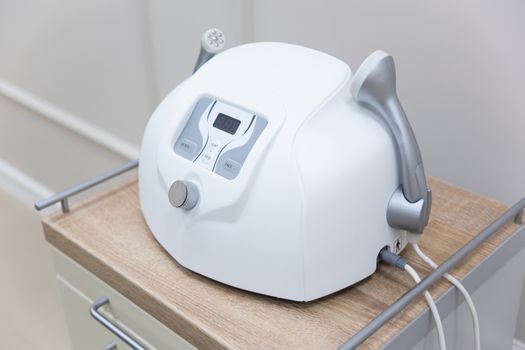
What is Ulthera (Ultherapy)?
Ulthera, marketed as Ultherapy, is a non-surgical lifting treatment that uses micro-focused ultrasound to deliver tiny points of heat beneath the skin's surface. It was the first device of its kind to receive FDA clearance for lifting the eyebrow, the skin under the chin and the neck, and for improving lines on the décolletage.
The key difference from most skin devices is depth. Ulthera can target the superficial muscular aponeurotic system (SMAS), the same supportive layer a surgeon tightens during a facelift, as well as the deeper dermis. It does this without cutting, and the skin surface is left intact.
How does Ulthera work?
The handpiece shows a real-time ultrasound image of the tissue, which is what the "V" for visualization in MFU-V refers to. The practitioner uses that image to confirm the layer before each line of energy is delivered. Transducers are typically set at around 4.5 mm, 3.0 mm and 1.5 mm, so a single session can address structural support and surface firmness.
Each pulse creates small thermal coagulation points. The body responds with a wound-healing process that remodels existing collagen and produces new collagen over the following weeks. That is why Ulthera is a gradual treatment rather than an instant one.
Ulthera vs Ultherapy Prime
Ultherapy Prime is the newer generation of the same technology. Both use micro-focused ultrasound, but Prime adds upgraded imaging and a refined platform designed to make layer targeting clearer and the treatment flow more efficient. The underlying collagen response is similar.
- Same principle: both deliver MFU-V energy to the SMAS and dermis.
- Imaging: Prime offers enhanced visualization of tissue layers.
- Choice: the doctor recommends a platform based on your anatomy, goals and plan.
For a side-by-side breakdown, see Ulthera vs Ultherapy Prime or the dedicated Ultherapy Prime page.
Who is a good candidate?
Ulthera typically suits adults with mild to moderate skin laxity who want a firmer, more lifted look without surgery. Many patients are in their 30s to 50s, but skin quality matters more than age.
- Early jowling or a softening jawline
- A lowered brow or heavy upper eyelid area
- Loose skin under the chin or on the neck
- People wanting a preventive collagen boost before laxity progresses
It is usually less suitable for very thin skin with little underlying fat, severe sagging where surgery would be more appropriate, or anyone with active skin infection, open wounds or certain implanted devices in the treatment area. Pregnancy is a common reason to postpone. Your doctor will review your history before recommending it.
What happens during treatment at Re:berry Hongdae?
- Diagnosis: a doctor assesses skin thickness, fat distribution and the pattern of laxity. Re:berry's approach is diagnosis before packages, so Ulthera may be recommended alone or within a combination plan.
- Mapping: treatment lines are marked and the shot count is planned for each zone.
- Comfort: numbing cream or other comfort measures may be used, depending on the area and your sensitivity.
- Treatment: ultrasound gel is applied and the handpiece is moved in lines while the image is checked.
- Finish: gel is removed, and you can usually return to normal activity the same day.
Does Ulthera hurt?
Many patients feel deep, brief heat or a prickling sensation, especially over bony areas such as the jawline and forehead. Sensation varies a great deal from person to person. Read more in Does Ultherapy hurt?
Results, longevity and sessions
Some people notice slight tightening right away, but the main effect develops as collagen rebuilds over roughly two to three months, and it can continue to improve for up to six months. Results commonly last around a year, though this depends on age, skin quality, lifestyle and how many lines were delivered.
Most patients have one session at a time and repeat roughly once a year for maintenance. Results vary by individual, and Ulthera does not stop the natural aging process.
Side effects and aftercare
Ulthera is generally well tolerated. Common, temporary effects include:
- Redness that typically fades within hours
- Mild swelling or tenderness for a few days
- Tingling or sensitivity along the jaw for up to a few weeks
- Occasional small bruises or welts
Rare effects such as temporary nerve irritation or numbness can occur and usually resolve. Avoid saunas, very hot showers and intense workouts for a day or two, and use gentle skincare and sunscreen. Our Ultherapy and Thermage aftercare guide covers this in detail.
Can Ulthera be combined with other treatments?
Yes, and combination planning is central to how Re:berry works. Ulthera focuses on deeper support, so it is often paired with treatments that address the surface. Common pairings include Thermage FLX for skin tightening and texture, skin boosters such as Rejuran Healer or CellREDM for hydration and quality, and fillers where volume loss is part of the picture. The order and spacing are set by your doctor.
Pricing and booking
Pricing depends on the areas treated, shot count and your overall plan, and it is confirmed in writing at consultation. For the address and opening hours, see Location & Hours, and book through the channels on our Booking page. Multilingual consultation support is available; please confirm languages when booking.
Key facts
- Technology: Micro-focused ultrasound with visualization (MFU-V)
- Treatment time: Typically 30–90 minutes, depending on areas
- Downtime: Usually none to minimal; mild redness or tenderness
- Results seen: Gradually over 2–3 months, sometimes up to 6
- Lasts: Often around 12 months; varies by individual
- Best for: Mild to moderate laxity on the jaw, brow, cheeks and neck
Frequently asked questions
How many Ulthera shots do I need?
Shot count depends on the size of each area, skin thickness and the degree of laxity. A full face and neck plan typically uses more lines than a brow or jaw-only session. Your doctor sets the count after examining you, and the planned number is written into your treatment plan so you know exactly what is being delivered.
Is original Ulthera still effective compared with Ultherapy Prime?
Yes. Both platforms use the same micro-focused ultrasound principle and trigger a similar collagen response. Prime mainly upgrades imaging and workflow. The better choice depends on your anatomy, goals and budget, which is why the recommendation is made during a doctor's consultation rather than in advance.
Can I wear makeup after Ulthera?
Most patients can apply makeup the same day or the next morning because the skin surface is not broken. If you have redness or tenderness, give the skin a few hours to settle and use clean brushes. Avoid harsh exfoliants and active ingredients such as strong acids for a few days.
How soon can I repeat Ulthera?
Many patients repeat roughly every 12 months, once the collagen response from the previous session has fully developed. Repeating too soon is not usually helpful. Your doctor may suggest lighter maintenance treatments in between, depending on how your skin responds and your goals.
Keep reading
Before you book
This page is general information, not a diagnosis. Suitability, dose, number of sessions and expected results are decided by a doctor at consultation, and results vary by individual. Possible side effects include redness, swelling and bruising. Pricing is confirmed in writing before any treatment. See our medical disclaimer.
Start with a diagnosis, not a package
Re:berry Clinic Hongdae designs your plan after a one-to-one skin assessment. Multilingual consultation support is available.