
Ultherapy can be uncomfortable, but most people find it tolerable. The focused ultrasound creates brief, deep pulses of heat or a prickling ache, felt most over bony areas such as the jawline and forehead. At Re:berry Hongdae, numbing cream, adjusted energy and short breaks help, and discomfort ends when each pulse stops.
Re:berry Clinic Hongdae · Information reviewed for accuracy · Results vary by individual.
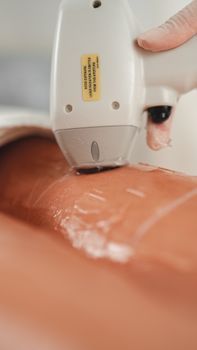
What does Ultherapy feel like?
Ultherapy delivers micro-focused ultrasound to precise depths beneath the skin, including the SMAS layer that surgeons lift in a facelift. Each pulse creates tiny heating points. People commonly describe the sensation as a quick, deep warmth, a sharp prickle, or a dull ache that lasts about a second per line. Because the energy reaches deep tissue, it feels different from surface treatments like facials or light lasers.
Discomfort is usually strongest where the skin is thin over bone, including the jawline, chin, temples and forehead. Fleshier areas such as the cheeks are often more comfortable.
What affects how much it hurts?
- Depth and energy: Deeper transducers and higher energy tend to feel stronger.
- Area: Bony areas and the neck can be more sensitive.
- Your threshold: Sensitivity varies widely, and fatigue, stress or caffeine can make it feel worse.
- Shot count: More lines take more time, though each pulse is brief.
How is discomfort managed at Re:berry Hongdae?
Topical numbing cream is usually applied before treatment. Your practitioner can adjust energy levels in sensitive zones, change pacing and pause whenever you need. Some patients find slow breathing helpful during each pass. Tell the team as you go; comfort and safety are both part of the plan. The newer Ultherapy Prime system features improved imaging and workflow, which some patients find makes sessions feel smoother, although sensation still varies.
Is there pain afterward?
Most people leave with mild redness that fades within hours. Tenderness when touching the jaw or chewing, light swelling, or a tingling sensation can last a few days and occasionally a few weeks. Rarely, temporary bruising or numbness occurs. These effects generally resolve without treatment. See side effects of Ultherapy for more detail and aftercare tips.
Is the discomfort worth it?
For many patients, a short period of discomfort is acceptable for a non-surgical lifting treatment with little downtime. Results develop gradually over two to six months and vary by individual. If you are very sensitive to pain, discuss alternatives such as Thermage FLX or Sofwave at consultation.
At a glance
- Typical sensation: Brief deep heat, prickling or aching
- Most sensitive areas: Jawline, forehead, near bone
- Comfort options: Numbing cream, energy adjustment, breaks
- After: Mild tenderness for days to a few weeks
- Newer option: Ultherapy Prime aims for a smoother workflow
Related questions
Is Ultherapy more painful than Thermage FLX?
Both can be uncomfortable, but the sensations differ. Ultherapy is often described as deep, pinpoint aching, while Thermage FLX feels like broad bursts of heat with cooling. Many people find Thermage slightly easier, but experiences vary. Your doctor can suggest which suits your tolerance and goals.
Can I take a painkiller before Ultherapy?
Some clinics allow a simple painkiller such as acetaminophen before treatment, while anti-inflammatory drugs may be discouraged in some cases. Do not take any medication without checking first. Ask the Re:berry team when booking, and mention any medications you already take regularly.
Does Ultherapy hurt more on the neck?
The neck can feel more sensitive for some patients because the skin is thinner and close to underlying structures. Practitioners typically use adjusted depths and energy there. Tell your practitioner how you feel during treatment so settings can be adapted for comfort and safety.
Keep reading
Before you book
This page is general information, not a diagnosis. Suitability, dose, number of sessions and expected results are decided by a doctor at consultation, and results vary by individual. Possible side effects include redness, swelling and bruising. Pricing is confirmed in writing before any treatment. See our medical disclaimer.
Still have a question?
A doctor at Re:berry Clinic Hongdae can answer it for your skin specifically. Multilingual consultation support is available.