
The Dooth thread lift at Re:berry Hongdae is a non-incisional lifting procedure in which absorbable threads are inserted under the skin through fine entry points to reposition sagging cheeks, jowls and the jawline. It is typically performed under local anesthesia in about 30–60 minutes, with swelling for several days. Results vary by individual.
Re:berry Clinic Hongdae · Information reviewed for accuracy · Results vary by individual.
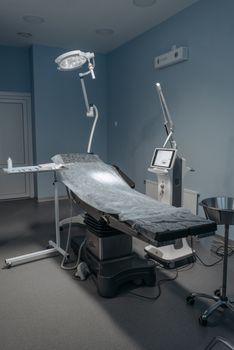
What is a Dooth thread lift?
A Dooth thread lift is a premium thread lifting option offered within the Re:berry network. Like other modern thread lifts, it uses medical threads that the body gradually absorbs. The threads are placed beneath the skin with a cannula or needle, then gently tensioned to lift soft tissue into a more supported position.
Unlike a surgical facelift, there is no skin removal and no long incision. The threads act as an internal scaffold, and as they dissolve they are associated with new collagen formation around the thread path. The exact thread specification and pattern are chosen by the doctor after examining your face.
How does a thread lift lift the face?
Thread lifting works through two mechanisms that happen on different timelines.
- Mechanical lift: barbs or cogs along the thread grip tissue, so the doctor can reposition the cheek fat pad or jowl immediately.
- Biological response: the body forms collagen around the absorbable thread over the following months, which may help maintain firmness.
Because the lift is physical, a thread lift can address descent that energy devices alone may not move. This is why many doctors combine threads with ultrasound or radiofrequency rather than treating them as rivals. Compare the approaches on our thread lift vs Ultherapy page.
Who is a good candidate for Dooth threads?
Good candidates usually have mild to moderate sagging with reasonable skin quality. Typical concerns include:
- Heavier lower cheeks or early jowls
- A blurred jawline where fat has moved downward
- Deepening nasolabial folds caused by cheek descent
- Patients who want a visible lift but are not ready for surgery
When a thread lift may not be the right choice
- Severe skin excess, where surgery may give a more predictable outcome
- Very thin skin, which can make threads visible or palpable
- Pregnancy, active infection, bleeding disorders or uncontrolled diabetes
- A history of keloids or poor wound healing, which needs careful discussion
Dooth thread vs Mint thread: how do they compare?
Re:berry offers both Dooth and Mint thread lifting. Both are absorbable, non-incisional options, but they differ in thread design and in how the doctor uses them for different face shapes and degrees of sagging. The choice depends on your tissue thickness, the vector of lift needed and how long you want the support to last.
Rather than choosing by brand name, it is best to let the doctor explain which option fits your anatomy. Our Dooth vs Mint thread comparison covers the decision criteria in more depth.
What happens on the day of the procedure?
- Consultation and design: the doctor maps the lift vectors with you sitting upright, so gravity is accounted for.
- Anesthesia: numbing cream and local anesthetic are applied at the entry and exit points.
- Insertion: threads are introduced through tiny points, often near the hairline or in front of the ear.
- Adjustment: the doctor tensions each thread and checks symmetry.
- Finish: excess thread is trimmed, entry points are cleaned and aftercare is explained.
Most people can walk out the same day. Plan a quiet evening rather than dinner and drinks in Hongdae.
What is recovery like after a Dooth thread lift?
Recovery is typically gentler than surgery but is not zero downtime. Common experiences include:
- Swelling, tightness and a slightly pulled feeling for 3–7 days
- Bruising around entry points, sometimes lasting 1–2 weeks
- Small dimples or irregularities that usually settle as tissue relaxes
- Tenderness when opening the mouth widely or chewing hard food
Less common risks include infection, thread visibility, thread migration, asymmetry and nerve irritation. Tell the clinic promptly about increasing pain, redness or fever. Detailed advice is on our thread lift aftercare page.
Aftercare basics
- Sleep on your back with your head slightly elevated for several nights.
- Avoid massage, facial treatments and wide yawning for about 2–4 weeks.
- Skip saunas, jjimjilbang and strenuous exercise for at least 1–2 weeks.
- Avoid dental work for a few weeks if possible.
How long do results last?
The immediate lift you see on the day usually relaxes slightly over the first two to three weeks as swelling resolves and tissue settles around the threads. This is expected, and the final shape is generally judged at around one month rather than in the mirror straight after the procedure.
Results are commonly reported to last around 12–18 months, but longevity depends on your age, skin quality, lifestyle and the number of threads used. Some patients maintain results with periodic energy-based lifting. Results vary by individual, and a thread lift does not stop natural aging.
Booking a Dooth thread lift at Re:berry Hongdae
Because thread lifting involves recovery time, international visitors should schedule it early in their trip and avoid flying within the first few days if possible. Pricing depends on the number of threads and the treatment plan and is confirmed in writing at consultation. Book through our Booking page, and see Location & Hours for the address.
Key facts
- Procedure type: Non-incisional thread lifting with absorbable threads
- Treatment time: Typically 30–60 minutes
- Anesthesia: Local anesthesia, sometimes with numbing cream
- Downtime: Swelling or tightness often 3–7 days; bruising possible
- Results seen: Immediate repositioning, refining over 1–3 months
- Lasts: Commonly around 12–18 months, varies by individual
- Best for: Mild to moderate sagging of the mid and lower face
Frequently asked questions
Is a thread lift painful?
Local anesthesia is used at the entry points, so most people feel pressure and pulling rather than sharp pain during the procedure. Afterward, tenderness and tightness are common for several days and can usually be managed with the pain relief your doctor recommends. Avoid taking blood-thinning painkillers without checking first.
Can the threads be seen or felt?
Threads are placed under the skin and are usually not visible. Some people feel them when pressing firmly in the first weeks, especially if skin is thin. Visible threads or persistent lumps are uncommon but should be reported to the clinic so the doctor can assess them.
How soon can I fly after a Dooth thread lift?
Many doctors suggest waiting several days before a long-haul flight so swelling can settle and early issues can be checked. The exact timing depends on your procedure and recovery. Discuss your travel dates at consultation so treatment can be scheduled with enough buffer.
Can I combine threads with Ultherapy or filler?
Combinations are common, but timing matters. Energy treatments are often done before threads or several weeks after, and filler may be placed in the same visit or later. Your doctor will plan the order to reduce the risk of affecting the threads or filler.
Keep reading
Before you book
This page is general information, not a diagnosis. Suitability, dose, number of sessions and expected results are decided by a doctor at consultation, and results vary by individual. Possible side effects include redness, swelling and bruising. Pricing is confirmed in writing before any treatment. See our medical disclaimer.
Start with a diagnosis, not a package
Re:berry Clinic Hongdae designs your plan after a one-to-one skin assessment. Multilingual consultation support is available.