
A Mint thread lift uses dissolvable PDO (polydioxanone) threads with molded barbs to lift sagging cheeks and jowls and redefine the jawline. At Re:berry Hongdae, a doctor places the threads under local anesthesia in roughly 30 to 60 minutes. The lift is visible immediately, swelling usually settles within one to two weeks, and results often last 12 to 18 months.
Re:berry Clinic Hongdae · Information reviewed for accuracy · Results vary by individual.
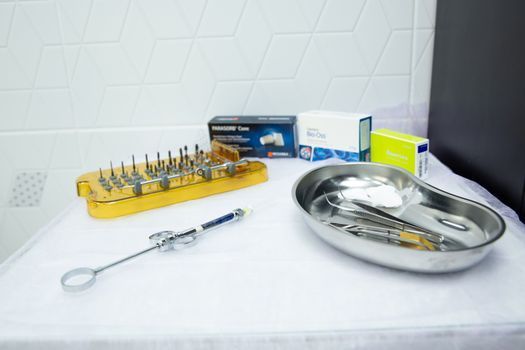
What is a Mint thread lift?
Mint threads are absorbable lifting threads made from PDO, a material long used in surgical sutures. They have molded barbs, sometimes described as 3D or cog-shaped, that grip tissue under the skin. After the threads are inserted, the doctor gently lifts the tissue into a higher position and the barbs help hold it there. Over the following months the threads dissolve, while the body forms collagen around them. Read more on the Mint thread lift page.
Who is a good candidate for jowls?
- Adults with mild to moderate jowling or cheek descent
- People who want a visible lift without surgery
- Patients with reasonable skin thickness to hold the threads
- Those who have tried energy-based lifting and want more mechanical support
It is less suitable for heavy, very loose skin, where surgery may achieve more, or for very thin faces where threads might be visible. Threads are generally postponed during pregnancy, with active skin infection, bleeding disorders, or uncontrolled autoimmune disease.
What to expect on the day
- Design: The doctor marks entry points and vectors, the directions in which tissue will be lifted.
- Anesthesia: Local anesthetic is injected at entry points and along the path.
- Insertion: Threads are placed with a blunt cannula, then tissue is repositioned.
- Finish: Ends are trimmed and the face is checked for symmetry.
Recovery and aftercare
Swelling, tightness and mild bruising are common for one to two weeks. Some people notice small dimples or puckering at first, which often settle as tissue relaxes. For about two to four weeks, the usual advice is to avoid wide mouth opening, dental work, facial massage, saunas and intense exercise, and to sleep on your back. Our thread lift aftercare guide covers this in detail.
Less common risks include infection, thread extrusion, persistent irregularity and nerve irritation. Contact the clinic if you notice increasing pain, redness or a thread end poking through.
How long do results last?
PDO threads usually dissolve within several months, but the collagen formed around them can extend the effect. Many sources cite 12 to 18 months for barbed PDO threads, varying with age, skin quality and lifestyle. Results vary by individual.
Combinations that often make sense
- Threads plus ultrasound lifting: Mechanical repositioning combined with deep collagen stimulation.
- Threads plus filler: Restoring midface support so the lift looks balanced.
- Threads plus a skin booster: Improving skin quality over the lifted area.
Alternatives to a Mint thread lift
- Dooth thread lift: Another thread option on the Re:berry menu; see Dooth vs Mint threads.
- Ultherapy Prime or Thermage FLX: Lower downtime, gradual results.
- Sofwave: Firming with short treatment times.
How does a doctor design the lift?
A good thread lift starts with a plan for direction, not just the number of threads. The doctor studies where tissue has descended, how thick the skin and fat are, and how your face moves when you talk and smile. Threads are usually placed along vectors that pull the jowl and lower cheek upward and slightly backward toward the ear, so the result looks like a natural repositioning rather than a stretched look. Entry points are often hidden near the hairline. Because faces are asymmetric, the two sides may be treated slightly differently.
Mint threads at a glance for travelers
Thread lifting asks more of your schedule than most device treatments. Plan to keep the first evening quiet, eat soft foods for a few days and avoid wide-mouthed laughing or yawning where you can. Keep the face cool rather than hot, and skip makeup on entry points until the doctor says it is fine.
Questions to ask before a thread lift
- How many threads do you suggest, and why that number?
- What will my recovery look like on days one, three and seven?
- Would ultrasound lifting or filler alone be enough for me?
- What should I do if I notice a dimple or thread end?
Planning a thread lift in Hongdae
Because swelling can last up to two weeks, threads are best scheduled early in a longer stay. Mention your departure date at consultation. Pricing depends on the number and type of threads and is confirmed in writing at consultation. See Location & Hours for branch details.
Key facts
- Material: Absorbable PDO threads with molded 3D barbs
- Treatment time: Typically 30 to 60 minutes
- Results seen: Immediately, refining as swelling settles
- Downtime: Swelling and tightness for about 1 to 2 weeks
- Lasts: Commonly cited as 12 to 18 months; varies
- Best for: Mild to moderate jowls and cheek descent
Frequently asked questions
Does a Mint thread lift hurt?
Local anesthetic is used, so most people feel pressure and tugging rather than sharp pain during the procedure. The anesthetic injections themselves sting briefly. Afterward, tightness and soreness when chewing or yawning are common for several days and usually ease with time. Your doctor can advise on suitable pain relief.
Can I fly after a thread lift?
Many people can fly within a few days, but swelling may feel more pronounced on long flights, and you will need to avoid wide yawning and pressure on the face. Ideally allow at least several days before flying and attend any check the doctor recommends. Mention your schedule at consultation.
Will people be able to see the threads?
When placed at the right depth in suitable skin, threads should not be visible. Small dimples or irregularities can appear in the first days and usually settle. In thin skin, threads may occasionally be felt or seen, which is one reason a doctor checks your skin thickness before recommending them.
How many threads are needed for jowls?
The number depends on how much tissue needs lifting, the face shape and the lift design. Some plans use a few threads per side, while others use more for a broader lift. The doctor will propose a number after assessment, and it is confirmed with you before the procedure.
Keep reading
Before you book
This page is general information, not a diagnosis. Suitability, dose, number of sessions and expected results are decided by a doctor at consultation, and results vary by individual. Possible side effects include redness, swelling and bruising. Pricing is confirmed in writing before any treatment. See our medical disclaimer.
Start with a diagnosis, not a package
Re:berry Clinic Hongdae designs your plan after a one-to-one skin assessment. Multilingual consultation support is available.