
Enlarged pores are visible openings of hair follicles that look wider because of excess oil, loss of skin firmness, or scarring after acne. At Re:berry Hongdae, a doctor first identifies which type you have, then may combine skin botox, Thermage FLX, Sofwave, lasers or boosters. Improvement is typically gradual over 2–6 months. Results vary by individual.
Re:berry Clinic Hongdae · Information reviewed for accuracy · Results vary by individual.
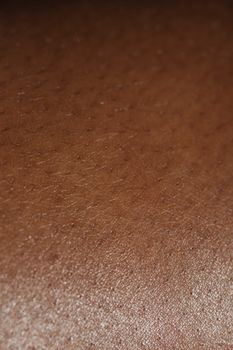
What are enlarged pores?
A pore is the opening of a hair follicle and its attached oil gland. Everyone has them, and their size is partly genetic. Pores look enlarged when the opening appears wider or darker than surrounding skin, usually on the nose, inner cheeks and forehead where oil glands are most active.
Pores cannot be removed or permanently closed. Realistic treatment aims to reduce how visible they look by addressing the reason they appear larger in the first place.
What causes pores to look bigger?
- Excess sebum: oil fills and stretches the opening, and oxidized oil can darken it
- Loss of firmness: as collagen declines with age and sun exposure, the skin around each pore loses support and the opening stretches downward into an oval or teardrop shape
- Acne and scarring: inflammation can damage the follicle wall, leaving wider, irregular openings
- Clogging: dead skin and debris collect and make pores look darker and more obvious
- Heat and humidity: Seoul's humid summers increase oil output for many people
- Hormones: androgens drive oil production, which is one reason men often have more visible pores
How does a doctor tell pore types apart?
Diagnosis matters because each type responds to different treatment. During consultation at Re:berry Hongdae, the doctor looks at the skin under good lighting and may use magnification or imaging. Typical clues include:
Oily pores
Round, open pores concentrated in the T-zone, often with shine within a few hours of cleansing. These typically respond to treatments that reduce oil output.
Sagging pores
Elongated, teardrop-shaped pores on the cheeks that line up in a downward direction. More common from the mid-30s onward and linked to declining firmness.
Scar-type pores
Irregular, wider openings mixed with uneven texture after past acne. These usually overlap with acne scars and need a texture-focused approach.
Many people have more than one type, which is why a combination plan is common. The doctor may also ask about your skincare routine, sun exposure, past acne treatment and any medications such as isotretinoin, which affects when certain procedures can be done safely.
Which Re:berry treatments may help enlarged pores?
For oily pores
- Skin botox (micro botox): tiny intradermal injections that may reduce oil output and refine texture for several months. See skin botox for enlarged pores.
- HydraFacial: cleanses and extracts debris with no downtime, useful as maintenance.
- Genesis laser: gentle 1064 nm laser that may help oiliness and overall texture.
For sagging pores
- Thermage FLX: monopolar radiofrequency that heats the dermis to encourage tightening. See Thermage FLX for enlarged pores.
- Sofwave: ultrasound targeting the mid-dermis to support collagen, with integrated cooling.
- Collagen and regenerative boosters: Laetigen, Rejuran Healer or PDRN to support skin density.
For scar-type pores
- Boosters such as CellREDM or Rejuran Healer: support repair of damaged texture
- Exosome therapy: often used alongside other texture treatments
What does a typical combination look like?
A plan is designed after diagnosis rather than chosen from a fixed package. Examples of how doctors commonly combine treatments:
- Oily T-zone in a person in their 20s: skin botox every few months plus periodic HydraFacial
- Oval cheek pores in the late 30s: a single Thermage FLX or Sofwave session plus a short booster series
- Mixed oily and scar-type pores: skin botox for oil, then a booster series for texture
How long until I see a difference?
- HydraFacial: skin often looks cleaner immediately, lasting days to a couple of weeks
- Skin botox: oil and texture changes typically appear in 1–2 weeks and last around 3–4 months
- Thermage FLX or Sofwave: gradual tightening over 2–6 months as collagen remodels
- Booster series: gradual change over a series of sessions
Results vary by individual, and maintenance is part of any pore plan because oil production and aging continue.
What are common pore-care mistakes?
Some habits make pores look worse over time, even though they seem helpful in the moment:
- Over-cleansing: stripping oil can trigger rebound oiliness and irritation
- Frequent extractions at home: pressing can stretch the follicle wall and leave marks
- Heavy occlusive layers in humid weather: thick creams may trap sebum in the T-zone
- Skipping sunscreen on cloudy days: UV still reaches the skin and weakens collagen support
- Chasing quick fixes: pore-tightening toners can make skin look tighter briefly, but the effect usually fades within hours
What helps at home?
- Cleanse twice a day with a gentle, low-pH cleanser
- Use products labeled non-comedogenic
- Consider salicylic acid or retinoids if your doctor agrees
- Wear sunscreen every day, as UV damage weakens pore support
- Avoid squeezing, pore strips and harsh scrubs, which can enlarge pores over time
- Use oil-absorbing sheets during the day instead of washing repeatedly
To start with a diagnosis, see Location & Hours and request a consultation through our Booking page. Pricing depends on the area and plan and is confirmed in writing at consultation.
Key facts
- Main types: Oily (sebum), sagging (laxity) and scar-type pores
- Common areas: Nose, inner cheeks, forehead
- Treatments used: Skin botox, Thermage FLX, Sofwave, Genesis, boosters, HydraFacial
- Timeline: Gradual change over roughly 2–6 months
- Can pores disappear? No; the aim is to make them less visible
- Home care: Gentle cleansing, sunscreen, non-comedogenic products
Frequently asked questions
Can enlarged pores be closed permanently?
No treatment can permanently close pores, because they are a normal part of skin structure. Treatments aim to make them less visible by reducing oil, supporting firmness or improving texture. Maintenance is usually needed because oil production and aging continue. Results vary by individual.
Why do my pores look bigger in summer?
Heat and humidity increase oil output, and sweat mixes with sebum and debris to clog and stretch openings. Seoul summers are humid, so many people notice pores more from June to August. Lightweight non-comedogenic products and regular cleansing can help, alongside clinic maintenance.
Are enlarged pores more common in men?
Men often have more active oil glands because of androgen hormones, which can make pores more visible, particularly on the nose and cheeks. The same diagnosis applies, and treatments such as skin botox and Thermage FLX are used for men as well. Plans are adjusted to skin thickness and shaving habits.
Is HydraFacial enough on its own for pores?
HydraFacial can make pores look cleaner and less congested for a short time, which is useful before events. It does not change oil gland activity or skin firmness, so for longer-lasting change it is usually combined with treatments such as skin botox or radiofrequency tightening.
Keep reading
Before you book
This page is general information, not a diagnosis. Suitability, dose, number of sessions and expected results are decided by a doctor at consultation, and results vary by individual. Possible side effects include redness, swelling and bruising. Pricing is confirmed in writing before any treatment. See our medical disclaimer.
Start with a diagnosis, not a package
Re:berry Clinic Hongdae designs your plan after a one-to-one skin assessment. Multilingual consultation support is available.