
ONDA face lifting at Re:berry Hongdae is a non-invasive treatment that uses Coolwaves microwave energy to heat the fat layer and deeper dermis of the lower face. It is typically used to refine a soft jawline, double chin or cheek fullness, with little to no downtime. Several sessions are usually planned, and results vary by individual.
Re:berry Clinic Hongdae · Information reviewed for accuracy · Results vary by individual.
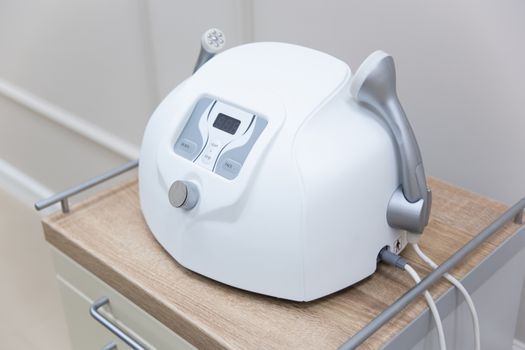
What is ONDA face lifting?
ONDA is an energy-based device that delivers microwaves at a frequency chosen to be absorbed mainly by fat tissue. Its manufacturer calls this technology Coolwaves. A cooled handpiece protects the skin surface while energy passes into the subcutaneous layer and the lower dermis.
Originally developed for body contouring, ONDA is also used on the face with smaller, face-specific handpieces. At Re:berry, ONDA is part of a wider lifting and contouring menu, which means it is often discussed alongside ultrasound and radiofrequency options rather than offered as a stand-alone package.
How does ONDA work on the face?
The treatment is thought to work in two ways. First, heating fat cells can lead to a gradual reduction in localized fat volume. Second, heat in the dermis may encourage collagen remodeling, which can make skin feel firmer over time.
- Fat layer: targeted heating of subcutaneous fat under the chin and along the jaw
- Connective tissue: mild contraction and remodeling of fibrous septa
- Dermis: collagen stimulation that develops over several weeks
Because the energy targets fat rather than the SMAS layer, ONDA is generally a contouring tool more than a deep lifting tool. Patients whose main issue is lax skin with little fat may be better served by other devices, which your doctor will explain.
Who is ONDA face lifting suitable for?
ONDA tends to suit adults who have mild to moderate fullness in the lower face and good skin elasticity. Common goals include a sharper jawline, less fullness under the chin and a slimmer-looking cheek area.
Typical good candidates
- Fullness under the chin that does not respond to diet and exercise
- Soft jawline caused partly by fat, not only by sagging skin
- People who want little downtime, including visitors to Seoul on a short trip
Who should avoid or postpone it
- Pregnancy or breastfeeding
- Pacemakers or other implanted electronic devices
- Metal implants or plates in the treatment area
- Active skin infection, open wounds or recent fillers in the same area (timing should be discussed)
- Very low facial fat, where further volume loss may look hollow
What happens during an ONDA session at Re:berry Hongdae?
Every treatment begins with a doctor's consultation. Re:berry's philosophy is diagnosis before packages, so the doctor first assesses whether your fullness comes from fat, skin laxity, muscle or bone structure.
- Assessment: the doctor examines the lower face and marks the treatment zones.
- Preparation: skin is cleansed and a gel or lotion is applied to help the handpiece glide.
- Treatment: the handpiece moves continuously across each zone while the cooling system protects the surface.
- Finish: the area is cleaned and you can usually apply skincare and return to your day.
Most people describe a warm, sometimes hot sensation that is tolerable. Settings are adjusted for comfort during the session.
Is there downtime, and what are the side effects?
ONDA is generally considered a low-downtime treatment. Mild redness and warmth are common and typically settle within a few hours. Some people notice slight swelling or tenderness for a day or two.
Less common effects include temporary numbness, small areas of firmness under the skin, or superficial burns if energy is concentrated in one area. Choosing a clinic where a doctor plans the settings matters. Results vary by individual, and ONDA does not replace surgery for significant fat or skin excess.
How many ONDA sessions will I need?
Many patients are advised to have 2–4 sessions spaced around 2–4 weeks apart, although the plan depends on the area and your goals. Changes appear gradually because the body clears treated fat and remodels collagen over 1–3 months.
If you are visiting Seoul for a short period, your doctor may suggest one session now and follow-ups on a later trip, or at another Re:berry branch. See how many ONDA sessions are typical for a broader view.
ONDA vs Ultherapy and Thermage: what is the difference?
The key difference is the target layer. ONDA focuses on fat and the lower dermis, Ultherapy focuses on the deeper SMAS layer with micro-focused ultrasound, and Thermage FLX heats the dermis with radiofrequency.
- Main concern is fat volume: ONDA is often considered first.
- Main concern is sagging: Ultherapy Prime or Sofwave may be more suitable.
- Main concern is skin texture and firmness: Thermage FLX may be discussed.
Because Re:berry designs combinations rather than single procedures, these technologies are sometimes paired. Read the full ONDA vs Ulthera comparison for more detail.
Can ONDA be combined with other treatments?
Yes, in many cases. A doctor might combine ONDA with a contour injection such as Berry Slim for stubborn pockets, or with an ultrasound lift for skin laxity. Spacing and order depend on your skin and on any fillers already in place.
How do I book ONDA at Re:berry Hongdae?
Book a consultation through the channels on our Booking page. Pricing depends on the area, the number of sessions and your plan, and it is confirmed in writing at consultation. Multilingual consultation support is available; please confirm languages when booking.
Key facts
- Technology: Coolwaves microwave energy (ONDA system)
- Treatment time: Typically 20–40 minutes for the face
- Downtime: Usually none to mild redness for a few hours
- Sessions: Often 2–4, spaced about 2–4 weeks apart
- Results seen: Gradually over 4–12 weeks
- Best for: Lower-face fullness, soft jawline, submental fat
Frequently asked questions
Does ONDA face lifting hurt?
Most people feel warmth or brief hot spots as the handpiece passes over the skin. The built-in cooling helps, and the doctor or staff can adjust settings during treatment. Numbing cream is not always needed, but you can ask about comfort options at your consultation if you are sensitive to heat.
When will I see results from ONDA on my face?
Some people notice a slight tightening soon after treatment, but contour changes usually develop over 4–12 weeks as treated fat is cleared and collagen remodels. Results vary by individual and depend on how much of your fullness comes from fat rather than skin laxity or bone structure.
Can I go out in Hongdae right after ONDA?
Usually yes. Mild redness typically fades within a few hours, so many patients go straight back to sightseeing, cafes or work. Avoid saunas, very hot showers and intense exercise for the rest of the day, and follow any aftercare instructions your doctor gives.
Is ONDA safe if I have fillers?
It depends on the filler type, location and how recently it was placed. Heat-based devices are sometimes delayed for a few weeks after filler in the same area. Tell your doctor exactly what was injected and when so the treatment plan can be adjusted safely.
Keep reading
Before you book
This page is general information, not a diagnosis. Suitability, dose, number of sessions and expected results are decided by a doctor at consultation, and results vary by individual. Possible side effects include redness, swelling and bruising. Pricing is confirmed in writing before any treatment. See our medical disclaimer.
Start with a diagnosis, not a package
Re:berry Clinic Hongdae designs your plan after a one-to-one skin assessment. Multilingual consultation support is available.